

Introduction: Why This Matters
In today’s hyper-connected world, having a business without an online presence is like having a store in a deserted alley—no one will find you. Digital marketing is the cornerstone of modern business growth, the powerful engine that drives visibility, engagement, and sales in the digital realm. Whether you’re a seasoned entrepreneur looking to pivot online or a complete novice starting your first venture, understanding digital marketing is no longer optional; it’s essential. This guide demystifies the core concepts, breaking down the complex world of online promotion into an easy-to-understand blueprint. By mastering these basics, you unlock the potential to reach a global audience, compete with larger players, and build a sustainable, thriving business. For anyone starting an online business, this knowledge is as fundamental as the business plan itself, a topic we cover in our guide on how to start an online business.
Background/Context
Marketing has evolved dramatically from the days of purely print ads, billboards, and TV commercials. The digital revolution began in the 1990s with the advent of the first search engines and the concept of “banner ads.” The term “digital marketing” was first used in the 1990s, but the field truly exploded in the 2000s with the rise of Google AdWords and the social media boom led by platforms like Facebook and YouTube.
This shift moved power from corporations to consumers. People were no longer passive recipients of advertising; they could now search for information, compare products, and share opinions instantly. This forced businesses to shift from interruptive advertising to inbound marketing—creating valuable content that pulls people toward your brand. Today, digital marketing is a sophisticated, data-driven discipline that integrates multiple channels to create seamless customer journeys, a far cry from its humble beginnings.
Key Concepts Defined
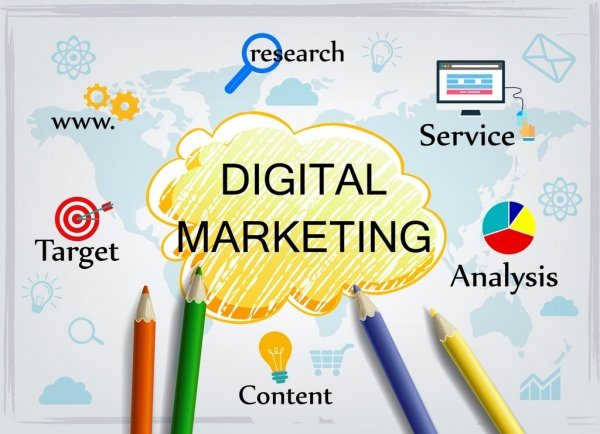
- Digital Marketing: The use of digital channels, platforms, and technologies to promote products and services and connect with potential customers.
- Search Engine Optimization (SEO): The practice of optimizing your website and content to rank higher in organic (non-paid) search engine results, like Google, to attract relevant traffic.
- Content Marketing: A strategic approach focused on creating and distributing valuable, relevant, and consistent content to attract and retain a clearly defined audience.
- Social Media Marketing (SMM): Using social media platforms (e.g., Facebook, Instagram, LinkedIn, TikTok) to build your brand, connect with your audience, and drive website traffic or sales.
- Email Marketing: The use of email to promote your business’s products or services, as well as to build relationships with potential and existing customers.
- Pay-Per-Click (PPC): An internet advertising model where advertisers pay a fee each time one of their ads is clicked. Google Ads is the most common PPC platform.
- Conversion Rate Optimization (CRO): The systematic process of increasing the percentage of website visitors who take a desired action (e.g., making a purchase, signing up for a newsletter).
How It Works (Step-by-Step)
Building a digital marketing strategy from scratch involves a clear, methodical process:
- Set SMART Goals: Before anything else, define what you want to achieve. Goals should be Specific, Measurable, Achievable, Relevant, and Time-bound (e.g., “Increase website traffic by 30% in 6 months” or “Generate 50 new leads per month through the contact form”).
- Identify Your Target Audience: You can’t market to everyone. Create detailed buyer personas—semi-fictional representations of your ideal customers—including their demographics, interests, online behavior, and pain points.
- Audit Your Current Digital Presence: If you already have a website or social media profiles, analyze what’s working and what isn’t. Look at your website analytics, social media engagement, and existing content.
- Choose Your Channels: Don’t try to be everywhere at once. Based on your audience and goals, select the most relevant channels. A B2B company might focus on LinkedIn and SEO, while a fashion brand might prioritize Instagram and TikTok.
- Create and Source Content: Develop a content calendar based on your channel strategy. This could include blog posts, social media graphics, videos, or email newsletters. Ensure your content is valuable and addresses your audience’s needs.
- Execute and Promote: Publish your content and run your campaigns. This involves scheduling social media posts, optimizing web pages for SEO, launching PPC campaigns, and sending email sequences.
- Monitor, Analyze, and Adjust: Use analytics tools (like Google Analytics) to track your performance against the goals you set. See what’s driving traffic and conversions, and continuously refine your strategy based on the data.
Why It’s Important
Ignoring digital marketing means leaving immense opportunity on the table. Its importance is multifaceted:
- Global Reach at a Lower Cost: Unlike traditional marketing, digital marketing allows you to reach a global audience with a relatively small budget, making it accessible for small businesses and startups.
- Measurable Results: Almost every aspect of a digital campaign can be tracked, measured, and analyzed. You can see your exact return on investment (ROI), allowing for data-driven decisions.
- Targeting and Personalization: You can target your ads and content to specific demographics, interests, and even behaviors, ensuring your message reaches the people most likely to become customers.
- Levels the Playing Field: A small, agile business can effectively compete with large corporations through smart SEO, engaging social media, and targeted content.
- Builds Brand and Fosters Loyalty: Digital channels provide a direct line to communicate with your audience, build trust, and create a community around your brand, leading to long-term customer loyalty.
Common Misconceptions
- Misconception 1: “Digital marketing is just being on social media.”
- Reality: Social media is just one piece of the puzzle. A successful strategy integrates SEO, content, email, and often paid advertising to create a cohesive system.
- Misconception 2: “It delivers results overnight.”
- Reality: While PPC can drive traffic quickly, building organic reach through SEO and content marketing is a long-term game that requires patience and consistency.
- Misconception 3: “It’s only for B2C or e-commerce businesses.”
- Reality: B2B companies heavily rely on digital marketing, especially LinkedIn marketing, content marketing, and SEO, to generate high-quality leads. A complex sale often starts with a Google search.
Recent Developments
The digital marketing landscape is constantly evolving. Key recent developments include:
- The Rise of AI: Artificial intelligence is transforming everything from content creation (e.g., ChatGPT) to ad targeting and customer service chatbots, making marketing more efficient and personalized.
- Voice Search Optimization: With the growing use of smart speakers like Alexa and Google Home, optimizing for conversational, long-tail voice queries is becoming increasingly important for SEO.
- Video-First Content: Short-form video platforms like TikTok and Instagram Reels have shifted content consumption habits, forcing brands to adopt a video-first approach to engage audiences.
- Privacy-First Marketing: The phasing out of third-party cookies and increased data privacy regulations (like GDPR) are pushing marketers toward first-party data strategies and contextual advertising.
Success Stories
Dollar Shave Club: This company became a billion-dollar brand largely through a viral video and a sharp digital marketing strategy. Their launch video, which cost just $4,500 to produce, was a masterpiece of content marketing that clearly communicated their brand’s value proposition with humor and clarity. Combined with a subscription-based e-commerce model and savvy social media engagement, they demonstrated how digital channels could be used to disrupt a giant industry.
Conclusion & Key Takeaways
Digital marketing is a vast and dynamic field, but every expert was once a beginner. By starting with a solid understanding of the core components and a structured plan, you can effectively build your brand and drive growth online.
Key Takeaways:
- Strategy First, Tactics Second: Always start with your goals and audience before choosing channels or creating content.
- Content is King: High-quality, valuable content is the fuel that powers SEO, social media, and email marketing.
- Data is Your Compass: Use analytics to guide your decisions, not guesswork. Test, measure, and adapt continuously.
- Integration is Power: The different channels of digital marketing work best when they support each other in a cohesive strategy.
- It’s a Marathon, Not a Sprint: Build for the long term. Consistency and patience in building your organic presence will yield the most sustainable results.
For more resources and deep dives into specific marketing tactics, be sure to explore our Resources category.
FAQ’s
- What is the most important part of digital marketing?
- There’s no single “most important” part, as it’s an integrated system. However, understanding your target audience is the foundational step upon which all other strategies are built.
- How much does digital marketing cost?
- Costs vary wildly. You can start with a minimal budget focusing on free channels like SEO and organic social media, or invest thousands in paid advertising. It depends entirely on your goals, industry, and scale.
- How long does it take to see results from digital marketing?
- Paid ads can show results in days. SEO and organic social media growth can take 6 to 12 months of consistent effort to show significant results. It requires a long-term perspective.
- Can I do digital marketing myself, or should I hire an agency?
- Many small business owners handle the basics themselves. As you scale or if you lack the time/expertise, hiring a freelancer or agency can be a worthwhile investment to accelerate growth.
- What’s the difference between SEO and PPC?
- SEO is about earning free, organic traffic over the long term. PPC is about paying for immediate, top-of-page visibility. They are often used together for a balanced strategy.
- Which social media platform is the best for marketing?
- The “best” platform is where your target audience spends their time. A B2B company will prioritize LinkedIn, a visual brand will use Instagram, and a brand targeting Gen Z will focus on TikTok.
- What is a marketing funnel?
- It’s the journey a potential customer goes through, from first becoming aware of your brand (Awareness) to considering a purchase (Consideration) and finally making a decision (Conversion).
- How does email marketing fit into a modern strategy?
- Email is one of the highest-ROI channels. It’s used to nurture leads, build relationships, promote content, and drive sales directly, making it a critical tool for customer retention.
- Is digital marketing stressful?
- It can be, due to its fast-paced and data-driven nature. The constant need to adapt can be demanding, making it important to manage your mental health, a topic covered in this guide to mental wellbeing.
- Where can I learn more about advanced digital marketing strategies?
- Continue reading our Blog for ongoing insights, and don’t hesitate to contact us with specific questions.