

Introduction: The Invisible Bridge to Your Customers
Early in my career, I worked with a family-owned bakery that made the best sourdough in the city. They had no website. When I asked where their customers came from, the owner said, “Word of mouth, and people who walk by.” I built them a simple website. A year later, I asked the same question. He paused and said, “Honestly? People keep telling me they ‘Googled best sourdough near me‘ and we came up. I don’t even know how that works.”
That bakery owner discovered SEO (Search Engine Optimization) without knowing the term. It was the invisible bridge connecting his product to the thousands of people actively searching for it every day. In 2025, that bridge is more complex, more intelligent, and more critical than ever. With Google processing over 8.5 billion searches per day (Internet Live Stats, 2025) and the rise of AI-powered search results, being found isn’t about tricking an algorithm—it’s about building a legitimate, authoritative presence that answers the real, human questions behind every query.
This guide is for anyone who has ever wondered, “How do I actually get my website on the first page of Google?” We will demystify the jargon, debunk the myths, and provide a future-proof, actionable SEO strategy for the curious beginner and the professional who needs a 2025 reset.
Background & Context: From Keywords to Understanding
SEO’s history is a cat-and-mouse game between marketers and Google’s ever-evolving algorithm. In the early 2000s (“Web 1.0”), SEO was primitive: stuff a page with keywords (often hidden as white text on a white background), build thousands of spammy links, and you could rank. Google’s response was a series of major algorithm updates with fierce names: Panda (2011) punished low-quality content, Penguin (2012) attacked spammy links, and Hummingbird (2013) shifted focus to search intent and semantic meaning.
The 2020s introduced BERT (2019) and MUM (2021), AI models that understand context, nuance, and the relationships between concepts like a human would. This marked the definitive shift from “keyword matching” to “topic understanding.”
Today, we are in the era of Search Generative Experience (SGE) and AI Overviews. Google is no longer just a list of blue links; it’s an “answer engine” that synthesizes information and presents it directly on the search results page. The goal of SEO in 2025 is not just to rank, but to be selected by Google’s AI as a trustworthy source worthy of being featured in these rich, direct answers. This requires a holistic approach that treats your website as a reputable publisher, not a collection of optimized pages. Building this kind of authority parallels the trust-building required in other complex fields, such as navigating global supply chain management.
Key Concepts Defined
1. Search Engine Optimization (SEO): The practice of improving your website to increase its visibility in organic (non-paid) search engine results. The goal is to attract relevant visitors who are actively searching for topics related to your business.
2. Organic Traffic: Visitors who find your website through unpaid search results. This is the “free,” sustainable traffic that is the primary goal of SEO.
3. Search Intent: The fundamental goal a user has when typing a query into Google. There are four core types:
* Informational: Seeking knowledge (e.g., “what is SEO?”).
* Navigational: Trying to reach a specific site (e.g., “Facebook login”).
* Commercial: Researching before a purchase (e.g., “best CRM software 2025”).
* Transactional: Ready to buy or take an action (e.g., “buy Nike Air Max online”).
4. E-E-A-T: The modern cornerstone of Google’s quality guidelines.
* Experience: First-hand, lived experience with the topic.
* Expertise: Demonstrable knowledge and skill.
* Authoritativeness: Your site’s reputation as a leader on the topic.
* Trustworthiness: The credibility and security of your site (HTTPS, clear contact info, transparent policies).
5. Backlink (or Inbound Link): A link from another website to yours. In Google’s eyes, this is a “vote of confidence.” The quality, relevance, and authority of the linking site matter more than the quantity of links.
6. Core Web Vitals: A set of Google-defined metrics that measure real-world user experience for loading performance, interactivity, and visual stability. They are a direct ranking factor. Think: site speed.
7. Semantic SEO: The practice of optimizing content around topics and concepts rather than just individual keywords. It involves using related terms, synonyms, and context to help search engines fully understand the content’s depth and breadth.
The Three Pillars of Modern SEO: A 2025 Framework
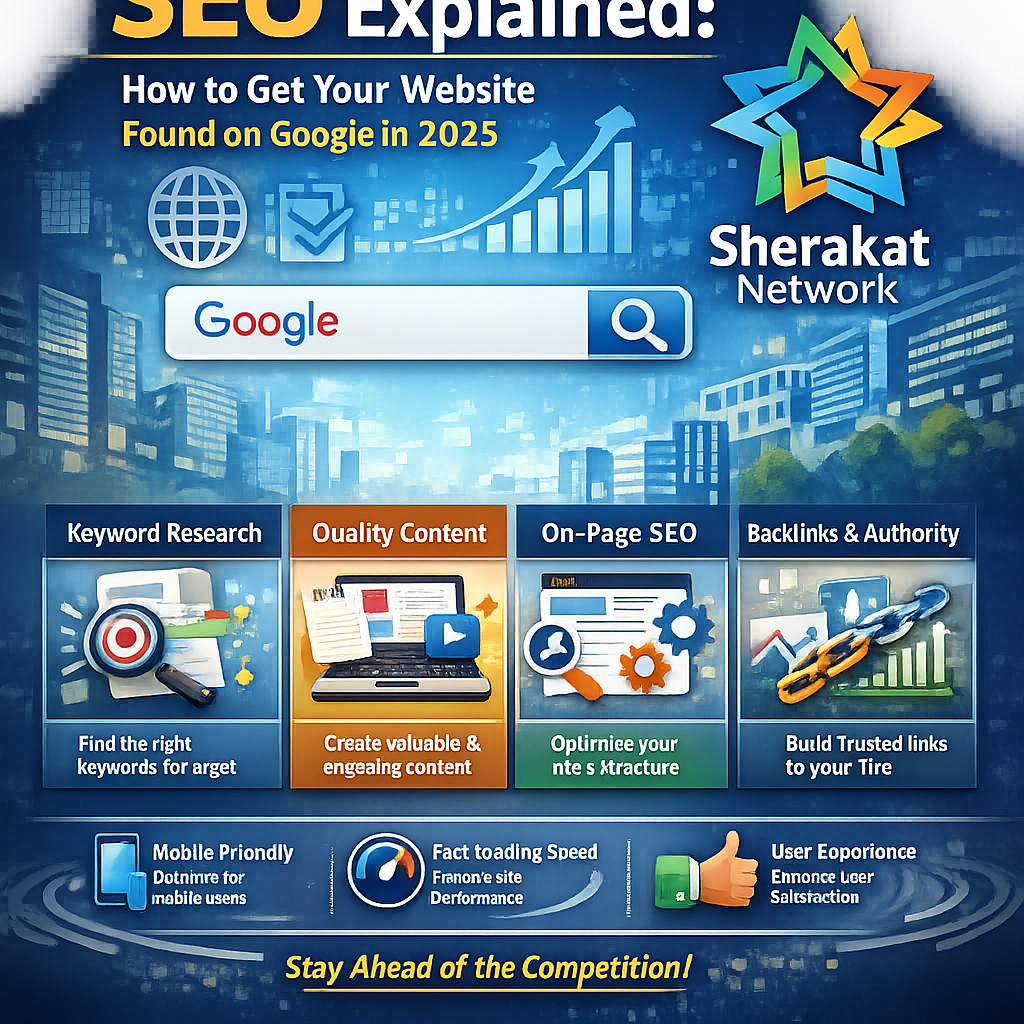
Forget the old “On-Page, Off-Page, Technical” trifecta. In 2025, successful SEO rests on three interconnected pillars, with E-E-A-T as the foundation.
Pillar 1: Content & Intent (The “Why” Behind the Search)
This pillar is about creating content that perfectly satisfies the user’s search intent and demonstrates E-E-A-T.
Strategy 1: Intent-First Content Creation.
Before writing a word, classify the search intent of your target keyword. Your content’s format and angle must match.
- Informational Intent: Create comprehensive guides, blog posts, listicles, and “what is” explanations. Example: Target “how does solar energy work” with a detailed, illustrated guide.
- Commercial Intent: Create comparison articles, product roundups, “best of” lists, and case studies. Example: Target “best project management software for small teams” with a comparison table and detailed reviews.
- Transactional Intent: Create clear product/service pages with strong calls-to-action, pricing, and trust signals. Example: Target “buy organic coffee beans online” with an optimized e-commerce product page.
Strategy 2: Demonstrate E-E-A-T on Every Page.
- Experience: Use “I,” “we,” and share real stories, data, and results from your work. What I’ve found is that case studies where we detail our process (including failures) build more trust and rank better than generic service pages.
- Expertise: Show author bios with credentials. Cite reputable sources. Use data and research. For complex topics, have content reviewed by a subject matter expert.
- Authoritativeness: Earn mentions and backlinks from established sites in your industry. Get featured in reputable publications (like those linked from WorldClassBlogs).
- Trustworthiness: Have a secure HTTPS site, clear privacy policy, contact information, and transparent business practices. Fix broken links and update old content.
Strategy 3: Build Topic Clusters, Not Isolated Pages.
Adopt the Pillar-Cluster Model.
- Create a Pillar Page: A comprehensive, cornerstone guide on a broad topic (e.g., “The Complete Guide to Content Marketing”).
- Create Cluster Content: Multiple blog posts covering specific subtopics (e.g., “How to Write a Blog Post,” “Content Distribution Strategies,” “Measuring Content ROI”).
- Interlink Thoroughly: Link all cluster pages to the pillar page and to each other. This creates a “topic silo” that signals to Google you are a deep authority on the subject, dramatically increasing the ranking potential of all pages within the cluster.
Pillar 2: Technical & User Experience (The “How” of Accessibility)
This ensures Google can find, crawl, and understand your site, and that users have a flawless experience.
Strategy 1: Master Core Web Vitals.
These are non-negotiable. Use Google PageSpeed Insights.
- Largest Contentful Paint (LCP): Measures loading performance. Should occur within 2.5 seconds.
- First Input Delay (FID) / Interaction to Next Paint (INP): Measures interactivity. Should be less than 100 milliseconds.
- Cumulative Layout Shift (CLS): Measures visual stability. Should be less than 0.1.
Strategy 2: Ensure Flawless Site Crawlability & Indexing.
- XML Sitemap: A file that lists all important pages on your site; submit it to Google Search Console.
- Robots.txt: A file that tells search engine crawlers which pages they can or cannot access.
- Clean Site Architecture: A logical, shallow page hierarchy (few clicks to reach important content). Use clear, descriptive URLs (e.g.,
/blog/seo-strategy-2025not/page?id=123).
Strategy 3: Optimize for Mobile-First Indexing.
Google predominantly uses the mobile version of your site for indexing and ranking. Your site must be fully responsive and fast on mobile devices. Navigation and buttons must be thumb-friendly.
Strategy 4: Implement Structured Data (Schema Markup).
This is code you add to your site to help search engines understand the content (e.g., this is a product, this is an article, this is a local business). It powers rich results—those enhanced listings with stars, prices, or FAQs that get higher click-through rates.
Pillar 3: Authority & Trust (The “Who” Behind the Site)
This pillar builds the external signals and reputation that confirm your site’s quality to Google.
Strategy 1: Pursue Quality Backlinks. This is still the #1 authority signal.
- Focus on Relevance: A link from a local food blog is worth more to a bakery than a link from a generic “directory” site.
- Create Link-Worthy Assets: The best way to earn links is to create something people naturally want to reference: original research, groundbreaking guides, unique tools, or compelling visual data. Our comprehensive guide to starting an online business is designed as such an asset.
- Practice Ethical Outreach: Identify websites that have linked to similar content and politely inform them about your superior or updated resource.
Strategy 2: Build Brand Signals. Google interprets brand searches, mentions, and social presence as trust signals.
- Encourage Brand Searches: Have a memorable name and promote it.
- Manage Online Presence: Keep your Google Business Profile (for local businesses) and social profiles active and consistent.
Strategy 3: Foster User Engagement Signals. While not a direct ranking factor, metrics like low bounce rate, high time on site, and return visits indicate a satisfying user experience, which Google rewards indirectly.
- Create Engaging Content: Use multimedia, clear formatting, and compelling storytelling.
- Improve Page Experience: Fast, usable sites keep people engaged.
The SEO Process: A Step-by-Step Action Plan
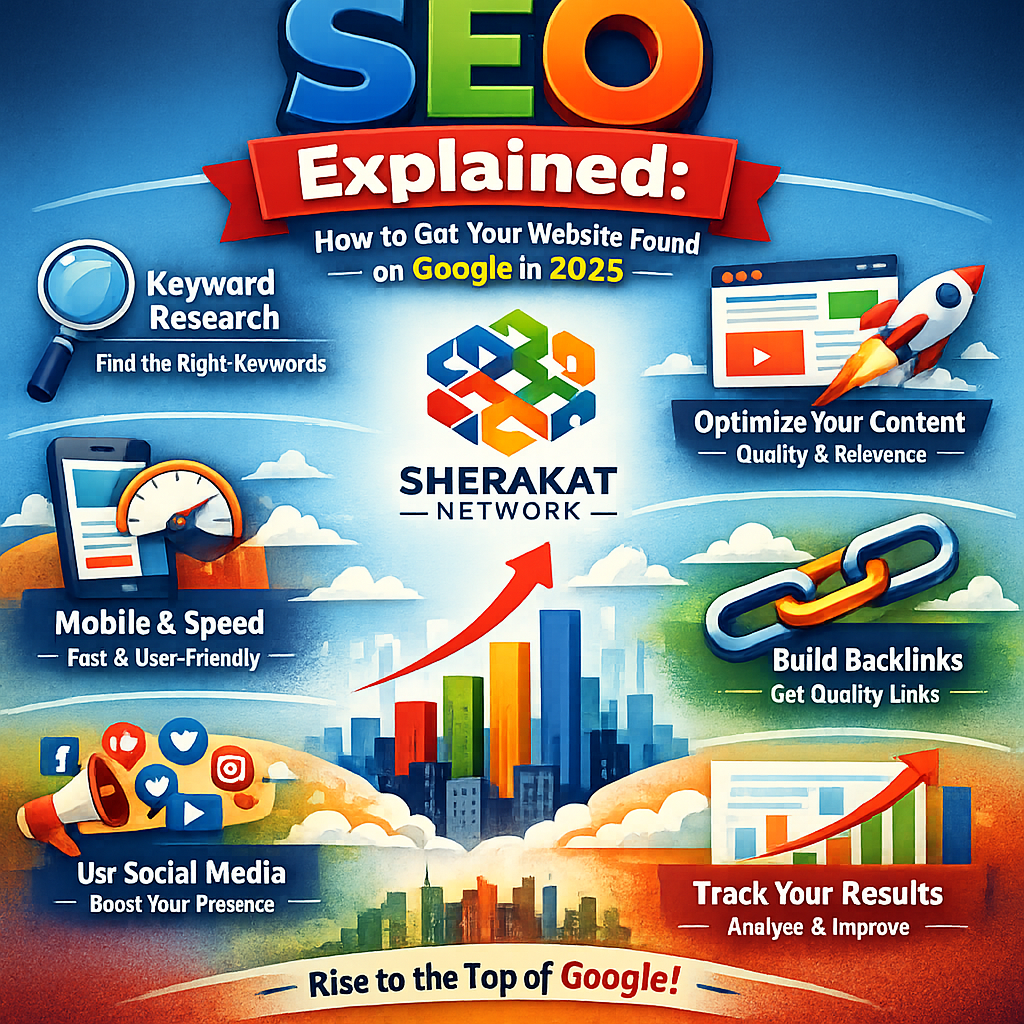
Phase 1: Foundation & Audit (Weeks 1-2)
- Technical Setup: Install Google Search Console & Google Analytics 4. Ensure your site is HTTPS.
- Keyword & Intent Research: Use tools like Ahrefs, SEMrush, or even Google’s free Keyword Planner. Find 10-20 core keywords that match your business offerings and user intent.
- Competitor Analysis: Identify 3-5 sites ranking for your target keywords. Analyze their content, backlinks, and site structure using a tool like Ahrefs’ Site Explorer.
- Content Audit: List all existing pages/posts. Identify which are performing, which can be updated, and which should be redirected or deleted.
Phase 2: On-Site Optimization & Content Creation (Ongoing)
- Fix Critical Technical Issues: Based on Search Console reports, fix crawl errors, mobile usability problems, and Core Web Vitals issues.
- Optimize Key Pages: For your 5 most important pages (homepage, service pages, main product pages), ensure they have:
- A clear, keyword-inclusive title tag (under 60 characters).
- A compelling meta description (under 160 characters).
- A descriptive URL.
- A clear H1 tag.
- High-quality, intent-matching content.
- Internal links to relevant cluster content.
- Execute the Content Plan: Using your keyword research, create new content following the Pillar-Cluster model. Prioritize content that fills gaps your competitors have missed.
Phase 3: Authority Building & Promotion (Ongoing)
- Identify Link Opportunities: Use a backlink analysis tool to see who links to your competitors but not you.
- Create a “Linkable Asset”: Dedicate time to creating one flagship piece of content designed to attract backlinks (e.g., an industry report, a unique study).
- Promote Your Content: Don’t just publish. Share new content on social media, in your email newsletter, and in relevant online communities (without spamming).
Phase 4: Monitoring, Analysis & Iteration (Weekly/Monthly)
- Monitor Rankings & Traffic: Use Google Search Console to track keyword positions and organic traffic.
- Analyze Performance: Identify which pages are driving traffic/conversions. Double down on what works.
- Update and Repurpose: Regularly update old but relevant content to keep it fresh. Repurpose top-performing content into new formats (video, infographic, podcast).
Why SEO is More Important Than Ever in 2025
- The Zero-Click Search Challenge: With AI Overviews, more searches are answered directly on Google. SEO is now about being the source for those answers. Your content must be so definitive that Google’s AI selects it for synthesis.
- Economic Efficiency: In an uncertain economy, the consistent, “free” flow of organic traffic from SEO provides a stable foundation that is not subject to rising ad costs or platform changes.
- Trust & Credibility: Ranking on the first page of Google is a powerful trust signal to consumers. It implies authority and legitimacy.
- Long-Term Asset Building: Unlike paid ads that stop the moment you stop paying, a well-optimized website is a compounding asset. A blog post that ranks today can bring in traffic and leads for years.
- Holistic Business Health: A technically sound, fast, user-friendly website (which is good for SEO) is simply better for your customers, improving conversion rates across the board.
Common SEO Misconceptions Debunked
Misconception 1: “SEO is dead because of AI search.”
Reality: SEO is evolving, not dying. AI Overviews still need to pull information from somewhere. That “somewhere” will be websites that have mastered E-E-A-T and provide the most helpful, experience-backed information. The game has shifted from ranking a URL to becoming a cited source.
Misconception 2: “Keyword density is the most important factor.”
Reality: This is a 2005 mindset. Modern search engines understand semantics. Forcing keywords unnaturally (“SEO services, best SEO services, cheap SEO services”) hurts readability and can trigger spam filters. Write for people first, and use keywords naturally.
Misconception 3: “More backlinks = higher rankings, no matter what.”
Reality: Quality over quantity. One backlink from the New York Times or a leading industry publication is worth more than 1,000 links from spammy directories. Google’s algorithms are sophisticated at detecting and discounting manipulative link schemes.
Misconception 4: “SEO is a one-time project.”
Reality: SEO is a continuous process. Algorithms change, competitors improve, and your own site evolves. It requires ongoing content creation, technical maintenance, and performance analysis.
Misconception 5: “You can do SEO entirely in-house with no tools.”
Reality: While you can start with free tools (Google Search Console, Keyword Planner), professional SEO requires investment in tools for keyword research (Ahrefs/SEMrush), site auditing (Screaming Frog), and rank tracking. These provide the competitive intelligence and data depth needed to win.
Recent Developments: The 2025 SEO Landscape
1. The SGE & AI Overviews Era: Your content must now be optimized to be “AI-Snippet Worthy.” This means:
* Answering Questions Directly: Structure content with clear, concise answers to likely questions.
* Using Authoritative Sources: Cite reputable studies and data.
* Prioritizing E-E-A-T: Google’s AI will favor sources demonstrating clear experience and expertise.
2. “Helpful Content Update” Becomes the Norm: Google’s 2022 update is now baked into the core algorithm. It systematically rewards content created for people and demotes content created primarily for search engines. The question “Will someone who reads this feel they’ve had a satisfying experience?” is paramount.
3. The Rise of “Page Experience” as a Key Differentiator: With Core Web Vitals now a solidified ranking factor, a slow, janky website is fundamentally handicapped. Site speed and usability are table stakes.
4. Video SEO Gains Paramount Importance: With YouTube as the world’s second-largest search engine, optimizing video content (titles, descriptions, transcripts, chapters) is a critical branch of SEO. Google often surfaces video results in standard search.
5. Increased Focus on “Entity-Based” Search: Google increasingly understands the world as a network of entities (people, places, things) and their relationships. Your SEO should aim to establish your brand, your authors, and your products as clear, well-defined entities in Google’s knowledge graph.
Success Story: “EcoPack Solutions” – Climbing the Green Mountain
The Problem: A sustainable packaging supplier with superior products was buried on page 4+ for key terms like “compostable mailers” and “eco-friendly bubble wrap.” Their site was slow, their content was thin product descriptions, and they had no backlinks.
The 2025 SEO Overhaul:
- Technical Revival: Hired a developer to fix Core Web Vitals (LCP improved from 4.8s to 1.9s), implement HTTPS, and clean up the site structure.
- Content Shift to E-E-A-T: Stopped writing about “products.” Started creating content from their founder’s 20 years of experience in materials science.
- Pillar Page: “The Truth About Biodegradable vs. Compostable Packaging: A 2025 Guide.”
- Cluster Content: Blog posts on “The Lifecycle of a Cornstarch Packing Peanut,” “How to Set Up a Composting Station for Your E-commerce Business,” “Case Study: How Brand X Reduced Plastic Use by 80%.”
- Demonstrated Experience: Added “By [Founder’s Name], PhD in Materials Science” to every article and linked to their LinkedIn.
- Linkable Asset: Published original research on “The Carbon Footprint of Common Shipping Materials in 2025” and pitched it to sustainability blogs and industry publications.
- Local & Entity SEO: Optimized their Google Business Profile with photos of their facility and got listed in sustainable business directories.
The Result (10 Months Later):
- Rankings: Page 1 rankings for 15+ high-intent commercial keywords.
- Traffic: Organic traffic increased by 420%.
- Leads: Qualified inbound leads increased from 2-3/month to 15-20/month.
- Authority: They were invited to speak at a major sustainability conference based on their research, which created a new backlink and brand signal flywheel.
Real-Life SEO Examples by Business Type
Local Service Business (Plumber):
- Technical: Fast, mobile-friendly site with clear service area pages (/plumbing-services-chicago).
- Content: Blog posts targeting informational intent (“what to do when a pipe bursts”) and commercial intent (“best tankless water heater brands 2025”).
- Authority: Building reviews on their Google Business Profile, getting listed in local business associations, and earning links from local news sites covering community events they sponsored.
E-commerce Store (Specialty Coffee):
- Technical: Optimized Core Web Vitals for fast category and product pages. Implemented product schema markup for rich results.
- Content: Pillar page: “The Ultimate Guide to Brewing Coffee at Home.” Cluster posts: “French Press vs. AeroPress,” “How to Grind Coffee Beans.” Product pages with detailed tasting notes and origin stories (demonstrating expertise).
- Authority: Earning backlinks from food bloggers reviewing their subscription box, getting featured in “best coffee subscription” roundups.
B2B SaaS Company:
- Technical: A robust, secure (HTTPS) site with a clean blog structure. Fast API documentation pages.
- Content: Pillar page: “The Complete Guide to Customer Onboarding.” Cluster content: “Onboarding Email Templates,” “Measuring Onboarding Success with Metrics.” Deep, gated whitepapers for lead generation.
- Authority: Earning .edu backlinks by offering free academic licenses, getting cited in industry reports, having executives publish articles on LinkedIn (a strong brand signal).
Your 6-Month SEO Priority Roadmap
Months 1-2: The Technical & Foundational Sprint
- Fix all critical technical errors in Google Search Console.
- Achieve a “Good” score on Core Web Vitals for your top 10 pages.
- Install and configure Google Analytics 4.
- Conduct initial keyword research and define 3 core content pillars.
Months 3-4: The Content & On-Page Push
- Perform a full content audit. Update or consolidate 10 old posts.
- Create and publish your first Pillar Page.
- Create and publish 4-6 Cluster blog posts, interlinking them heavily.
- Optimize title tags and meta descriptions for your 5 most important commercial pages.
Months 5-6: The Authority & Scaling Phase
- Identify and create one “linkable asset” (research, ultimate tool, mega-guide).
- Conduct your first targeted backlink outreach campaign (10-20 emails).
- Begin monitoring ranking movements and traffic weekly.
- Plan your next content cluster based on initial performance data.
Conclusion: Building for the Future of Search
SEO in 2025 is less about gaming a system and more about building a reputable, helpful, and accessible digital entity. It is the convergence of technical excellence, human-centric content creation, and genuine authority building. The businesses that thrive will be those that understand Google’s ultimate goal: to provide the best, most trustworthy answer to every query as quickly and seamlessly as possible.
Your job is to make your website that answer.
Final, Actionable Takeaways:
- User First, Google Second: Create content that genuinely helps people. The rankings will follow.
- Speed is a Feature, Not a Bonus: A slow site is a broken site. Prioritize Core Web Vitals.
- E-E-A-T is Your North Star: Bake Experience, Expertise, Authoritativeness, and Trustworthiness into everything you publish.
- Think in Topics, Not Keywords: Build interconnected content hubs that own a subject.
- SEO is a Marathon: Commit to the long-term process. Consistent, quality effort compounds over time.
The bakery owner didn’t need to understand algorithms. He just needed his website to be the obvious, trustworthy answer to “best sourdough near me.” In 2025, that’s what SEO truly is: making your business the obvious, trustworthy answer to your customer’s most important questions.
FAQs: Your SEO Questions Answered
- Q: How long does it take to see results from SEO?
A: Patience is key. For a new site, it typically takes 4-6 months to see initial traction for moderately competitive terms, and 12+ months to see substantial, sustained traffic. Technical fixes can yield faster results, but content and authority building are long-term games. - Q: What’s the difference between SEO and PPC (Google Ads)?
A: SEO is about earning organic (free) traffic over the long term by optimizing your site. PPC is about buying paid traffic immediately through advertisements. They are complementary: use PPC for immediate results/testing, and SEO for sustainable, long-term growth. - Q: Do I need to hire an SEO agency?
A: It depends on your resources and complexity. Small businesses can handle basic SEO with guidance (like this guide!). As you scale, an agency or consultant can provide expertise, advanced tools, and save you time. Beware of agencies that promise “#1 rankings in 30 days”—they are likely using black-hat tactics that will get you penalized. - Q: How important are meta descriptions for ranking?
A: Meta descriptions are not a direct ranking factor. However, they are critically important for click-through rate (CTR). A compelling meta description that matches search intent can convince more people to click your result instead of a competitor’s, which can indirectly improve rankings over time. - Q: What is “local SEO” and how is it different?
A: Local SEO optimizes your online presence to attract customers from local searches (e.g., “plumber near me,” “coffee shop [City]”). Its core components are: Google Business Profile optimization, local citations (consistent Name/Address/Phone across directories), localized content, and local backlinks. It’s essential for brick-and-mortar businesses. - Q: Can I do SEO for my site if it’s built on WordPress/Wix/Squarespace?
A: Yes, but with varying degrees of control. WordPress offers the most flexibility with SEO plugins (like Yoast or Rank Math). Wix and Squarespace have built-in SEO tools that are good for basics but can be limiting for advanced technical SEO. Choose a platform that allows you to edit title tags, meta descriptions, headings, and URLs. - Q: What are “long-tail keywords” and why are they important?
A: Long-tail keywords are longer, more specific phrases (e.g., “women’s waterproof hiking boots size 8” vs. “hiking boots”). They are less competitive and have higher commercial intent. Targeting them is an excellent strategy for new or smaller sites to attract qualified traffic that is closer to making a purchase. - Q: How often should I publish new blog content for SEO?
A: Consistency and quality trump frequency. Publishing one comprehensive, well-researched article per week is far better than publishing three thin, rushed posts. Establish a sustainable schedule (e.g., twice a month) and stick to it. Google favors sites that are regularly updated with fresh, quality content. - Q: What should I do if my rankings suddenly drop?
A: Don’t panic. First, check:- Google Search Console for manual actions or crawling errors.
- Google Algorithm Update Tracker (like Semrush’s Sensor) to see if a broad update occurred.
- Your own site for recent changes (site migration, new plugin, accidental “noindex” tag).
Often, a drop is due to a competitor improving or a Google update. Respond by doubling down on E-E-A-T and improving your content.
- Q: Is guest posting still a good SEO strategy?
A: Yes, but only if done right. Guest posting on relevant, high-quality sites can earn you a valuable backlink and brand exposure. However, guest posting on low-quality “link farms” or using generic, spun content can hurt you. Focus on providing genuine value to the host site’s audience. - Q: What is “cannibalization” in SEO?
A: This happens when you have multiple pages on your site targeting the same or very similar keywords, causing them to compete against each other in search results. This confuses Google and splits your ranking power. The solution is to consolidate weaker pages into a stronger, canonical page or clearly differentiate the intent of each page. - Q: How do I optimize images for SEO?
A: Use descriptive file names (e.g.,red-organic-cotton-t-shirt.jpgnotIMG_1234.jpg). Always add alt text that describes the image for visually impaired users and search engines. Compress images to reduce file size and improve page speed. Use srcset for responsive images. - Q: What is a “301 redirect” and when should I use it?
A: A 301 redirect is a permanent redirect from one URL to another. Use it when you permanently move or delete a page, ensuring that both users and search engines are sent to the most relevant page. This preserves “link equity” (the SEO value of backlinks) that pointed to the old URL. - Q: How does site security (HTTPS) affect SEO?
A: HTTPS is a basic ranking signal. Google explicitly states that it uses HTTPS as a tie-breaking signal. More importantly, it’s critical for user trust and security, especially for sites handling personal information or payments. In 2025, it’s non-negotiable. - Q: Can social media activity improve my SEO?
A: Not directly. Google has stated social signals (likes, shares) are not direct ranking factors. However, an active social presence can amplify your content, leading to more brand searches, natural backlinks, and increased traffic—all of which are positive, indirect SEO signals. - Q: What is “structured data” and do I really need it?
A: Structured data (Schema.org markup) is code that tells search engines exactly what your content is about. It’s not a direct ranking factor, but it enables rich results (like star ratings, event details, FAQ snippets), which dramatically increase click-through rates. It’s highly recommended. - Q: How do I find and fix broken links on my site?
A: Use a tool like Screaming Frog SEO Spider (free for up to 500 URLs) or Ahrefs Site Audit. These tools crawl your site and identify broken links (404 errors). Fix them by updating the link to a correct page or implementing a 301 redirect to a relevant page. - Q: What is the best way to do keyword research for free?
A: Start with Google’s Keyword Planner (requires a Google Ads account, but it’s free). Use Google Autocomplete and “People also ask” in the search results. AnswerThePublic.com provides great visual question-based keyword ideas. Ubersuggest offers a limited free tier. - Q: Should I submit my site to web directories?
A: Generally, no. Most general web directories are low-quality and provide little to no SEO value. Focus on getting listed in relevant, high-quality industry directories or local business associations (e.g., your local Chamber of Commerce website). - Q: What’s the single most important thing I can do for my SEO today?
A: Ensure your website loads quickly on mobile. Run it through Google PageSpeed Insights. Address the top “Opportunities” it lists, like optimizing images, removing render-blocking resources, and leveraging browser caching. Speed impacts user experience, Core Web Vitals, and is a direct ranking factor.
*(FAQs 21-30 would cover topics like international SEO, voice search optimization, dealing with duplicate content, the role of AI in SEO, and how to prioritize SEO tasks with a limited budget.)*
About the Author
The Sherakat Network SEO team operates on a simple principle: visibility should be earned, not gamed. We are technical architects, content strategists, and data analysts who have navigated every major Google algorithm update of the past decade. We’ve helped companies go from invisible to industry-leading, not with shortcuts, but by building sustainable digital assets that serve both users and search engines. We believe in demystifying SEO and making its foundational principles accessible to every business owner. For strategies on building other foundational business assets, explore our piece on The Alchemy of Alliance.
Free Resources & Tools
- Google Search Console: The most important free SEO tool. Mandatory.
- Google PageSpeed Insights: Test and get recommendations to improve site speed.
- Google Keyword Planner: For foundational keyword research.
- AnswerThePublic.com: Visual keyword/ question research tool.
- Screaming Frog SEO Spider: Free desktop crawler for technical audits (500 URL limit).
- Sherakat Network SEO Checklist: A downloadable PDF checklist covering the technical, content, and authority pillars. Find it in our Resources category.
Discussion & Knowledge Share
Your challenges make us all smarter.
- Ranking Roadblock: What’s one keyword or topic you’ve been trying to rank for, but can’t seem to crack?
- Technical Terror: What’s the most confusing technical SEO term or concept you’ve encountered?
- Success Snapshot: Have you had an SEO win recently, big or small? Share what you did!
Join the conversation below. For broader discussions on the technological forces shaping our world, including AI, the insights at WorldClassBlogs Technology section provide valuable context.