



Introduction: Why This Matters
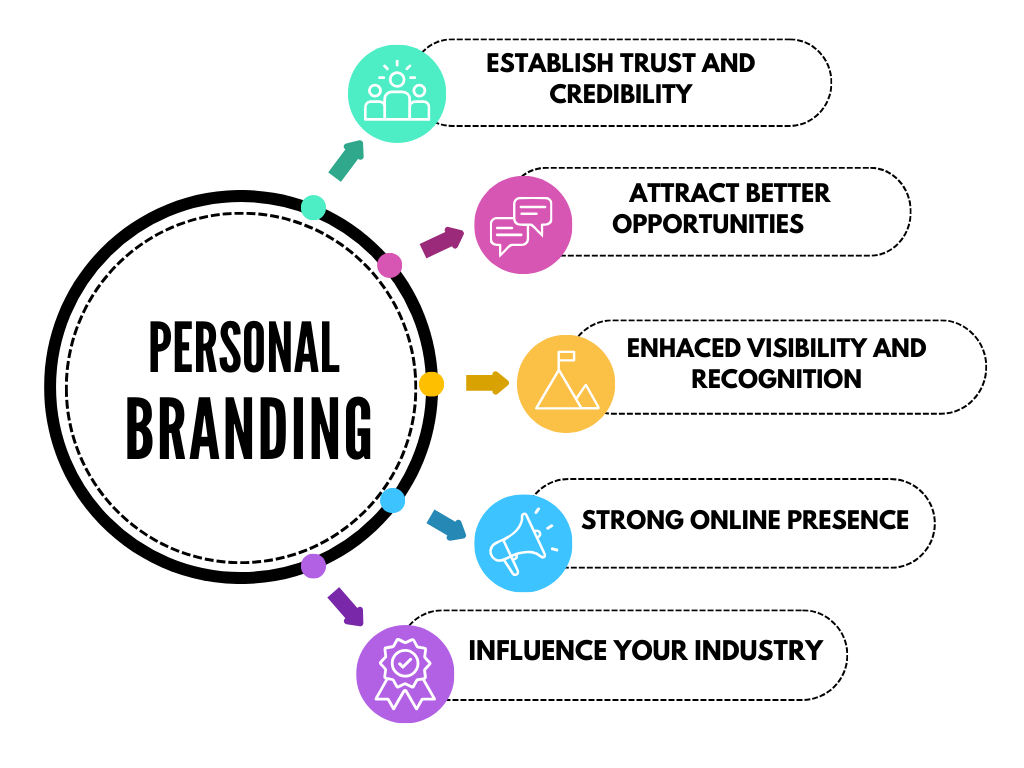
In today’s digital-first world, your personal brand online has become your most valuable professional asset, often preceding your resume and influencing career opportunities before you even enter a room. A strong personal brand online is no longer optional for professionals—it’s essential for career advancement, business development, and establishing thought leadership in your industry. Understanding how to strategically build and maintain your personal brand online can mean the difference between being overlooked and being sought after.
The statistics underscore this reality: 70% of employers use social media to screen candidates during the hiring process, while professionals with established personal brand online presence command 15-20% higher compensation in their fields. Furthermore, 85% of business decision-makers say a personal brand reputation significantly influences their partnership and hiring decisions. This comprehensive guide from Sherakat Network’s Professional Development Resources will provide you with a complete framework for building, maintaining, and leveraging your personal brand online for maximum professional impact.
Part 1: Background and Context – The Evolution of Personal Branding
The concept of personal brand online has evolved dramatically alongside technological and social changes:
The Pre-Digital Professional Identity (Pre-1990s)
Personal branding existed primarily through resumes, business cards, and professional referrals. Reputation was built through in-person networking, published works in traditional media, and word-of-mouth recommendations within industry circles.
The Early Digital Footprint (1990s-2000s)
The advent of personal websites and early social platforms like LinkedIn created the first opportunities for controlled personal brand online presentation. Professionals could now craft their narrative beyond the constraints of a one-page resume.
The Social Media Explosion (2005-2015)
Platforms like Twitter, Facebook, and YouTube democratized personal branding, allowing professionals to build audiences and share expertise directly. This era saw the rise of the “personal brand” as a conscious strategy rather than a byproduct of career achievements.
The Content Creator Economy (2015-2020)
The proliferation of blogging platforms, podcasts, and video content created new avenues for personal brand online development. Professionals could establish authority through consistent content creation and audience engagement across multiple channels.
The Authenticity and Value Era (2020-Present)
Modern personal brand online success requires genuine value delivery, authentic storytelling, and strategic positioning. The focus has shifted from mere visibility to meaningful engagement and tangible impact within professional communities.
Part 2: Key Concepts Defined
Building a successful personal brand online begins with mastering these essential concepts:
Personal Brand Architecture
The strategic framework that defines your brand elements including your unique value proposition, target audience, core messaging, and visual identity across platforms.
Digital Footprint
The collective representation of your online presence across websites, social media, review sites, and any digital platforms where information about you exists.
Thought Leadership
Establishing yourself as an authoritative source in your field through consistent sharing of valuable insights, original ideas, and expert commentary.
Content Pillars
The 3-5 core topics or themes that form the foundation of your content strategy and around which you build your expertise reputation.
Personal SEO
The practice of optimizing your online presence and content to ensure you appear prominently in search results for your name and relevant professional keywords.
Network Effect
The phenomenon whereby your personal brand gains additional value as more people connect with and engage with your content and expertise.
Reputation Capital
The accumulated value derived from your professional reputation, credibility, and the trust you’ve built within your industry and audience.
Cross-Platform Consistency
Maintaining coherent messaging, visual identity, and professional presentation across all digital platforms where you maintain a presence.
Part 3: How It Works: The Personal Brand Building Framework (Step-by-Step)
Building a powerful personal brand online requires a systematic approach across multiple dimensions:
Step 1: Foundation and Self-Discovery
Establish the core elements of your personal brand:
- Skills and Expertise Audit: Conduct a comprehensive assessment of your unique strengths, knowledge areas, and professional capabilities
- Values and Passion Identification: Define the core principles and interests that will authentically drive your brand narrative
- Target Audience Definition: Identify the specific professional groups, industries, or decision-makers you want to reach and influence
- Competitive Landscape Analysis: Research how other professionals in your space are positioning themselves and identify gaps you can uniquely fill
According to research from LinkedIn’s Economic Graph, professionals who clearly articulate their unique value proposition receive 40% more opportunities than those with generic profiles.
Step 2: Strategic Positioning and Messaging
Develop your distinctive brand narrative:
- Unique Value Proposition Crafting: Create a clear, compelling statement of the specific value you deliver to your target audience
- Brand Story Development: Build a authentic narrative that connects your background, expertise, and vision in an engaging way
- Content Pillar Establishment: Define the 3-5 core topics that will form the foundation of your expertise demonstration
- Tone and Voice Definition: Establish the consistent communication style that will characterize all your brand interactions
Step 3: Platform Selection and Optimization
Choose and optimize your digital presence:
- Primary Platform Identification: Select the 2-3 platforms where your target audience is most active and engaged
- Profile Optimization: Completely optimize each platform presence with strategic keywords, professional imagery, and compelling bios
- Content Strategy Development: Create platform-specific content plans that leverage each channel’s unique features and audience expectations
- Cross-Platform Integration: Ensure seamless navigation and consistent messaging between your different platform presences
Step 4: Content Creation and Value Delivery
Establish your expertise through consistent content:
- Content Calendar Implementation: Develop and maintain a realistic publishing schedule that ensures consistent visibility
- Value-First Content Development: Create content that specifically addresses your audience’s challenges, questions, and interests
- Multi-Format Content Production: Develop your core ideas across various formats (articles, videos, podcasts, visuals) to reach different audience preferences
- Original Insight Development: Focus on creating unique perspectives rather than simply curating or repackaging existing information
Step 5: Engagement and Community Building
Transform visibility into relationships:
- Strategic Interaction Planning: Develop a systematic approach to engaging with your audience and industry peers
- Community Participation: Actively contribute to relevant groups, discussions, and industry conversations
- Relationship Building: Focus on developing genuine professional relationships rather than simply accumulating connections
- Collaboration Seeking: Identify and pursue collaboration opportunities that expand your reach and credibility
Step 6: Monitoring and Optimization
Continuously improve your brand impact:
- Performance Analytics Review: Regularly analyze engagement metrics to understand what resonates with your audience
- Reputation Monitoring: Implement systems to track mentions, comments, and conversations about you and your expertise areas
- Strategy Refinement: Use insights from your monitoring to continuously refine your approach and content focus
- Skill Development Planning: Identify and address any gaps in your expertise or communication abilities that could enhance your brand
For professionals considering entrepreneurial ventures, our guide on Starting an Online Business provides complementary strategies for brand-building.
Part 4: Why It’s Important – The Impact of Strong Personal Branding
A well-developed personal brand online delivers significant professional advantages:
1. Career Advancement and Opportunity Attraction
Professionals with established personal brands receive 5x more inbound career opportunities, including job offers, speaking engagements, and collaboration requests, without active searching.
2. Credibility and Trust Establishment
A consistent, valuable online presence builds trust with potential employers, clients, and partners before direct interaction, significantly shortening sales cycles and decision timelines.
3. Premium Positioning and Compensation
Strong personal brands enable professionals to command fee premiums of 15-30% for consulting services and secure higher compensation packages in employment negotiations.
4. Network Effect and Relationship Capital
Each meaningful connection and engagement compounds over time, creating a valuable professional network that provides support, insights, and opportunities throughout your career.
5. Crisis Resilience and Reputation Protection
An established positive online presence provides a buffer during professional challenges or negative situations, as your overall digital footprint tells a more comprehensive story.
6. Legacy Building and Industry Impact
Beyond immediate career benefits, a strong personal brand enables you to contribute meaningfully to your field, influence industry conversations, and create lasting professional impact.
Part 5: Common Misconceptions About Personal Branding
Several dangerous myths can undermine personal branding efforts:
Misconception 1: “Personal Branding is Just Self-Promotion”
Reality: Effective personal branding focuses on value delivery and relationship building, not empty self-promotion. The most successful brands are built through genuine contribution rather than aggressive marketing.
Misconception 2: “You Need to Be on Every Platform”
Reality: Strategic presence on 2-3 relevant platforms with consistent, high-quality engagement far outperforms scattered presence across numerous channels with minimal impact.
Misconception 3: “Personal Branding is Only for Executives and Entrepreneurs”
Reality: Professionals at all levels benefit from intentional personal branding. Early and mid-career professionals often gain the most advantage from established visibility.
Misconception 4: “Your Personal Brand Should Appeal to Everyone”
Reality: Powerful personal brands specifically target relevant audiences and make clear choices about who they serve and what they stand for, often intentionally not appealing to everyone.
Misconception 5: “Building a Personal Brand Happens Quickly”
Reality: Substantive personal brand development requires consistent effort over months and years. Sustainable brands are built through persistent value delivery, not viral moments.
Part 6: Recent Developments in Personal Branding
The landscape of personal brand online development continues evolving:
1. Video-First Personal Branding
The dominance of video content has transformed personal branding:
- Short-form video platforms demanding authentic, unpolished content
- Live streaming creating real-time engagement opportunities
- Video personalization replacing traditional text-based communication
- Visual storytelling becoming the primary engagement method
2. Micro-Community Focus
Successful personal brands increasingly target specific niches:
- Hyper-specialized content for defined professional segments
- Private community building through platforms like Circle and Geneva
- Direct audience relationships prioritized over mass reach
- Personalized interaction at scale through technology
3. Authenticity and Vulnerability Balance
Modern personal branding requires strategic authenticity:
- Professional vulnerability building deeper connections
- Balanced personal and professional content sharing
- Values-driven positioning resonating with aligned audiences
- Imperfection embraced as part of brand humanity
4. AI-Enhanced Personal Brand Management
Technology is transforming brand building:
- AI content creation assistance for consistent publishing
- Analytics tools providing deeper audience insights
- Automated engagement and relationship management
- Personal brand monitoring and reputation protection
5. Integrated Online-Offline Presence
The lines between digital and physical presence continue blurring:
- Digital brand elements influencing in-person opportunities
- Event participation strengthening online authority
- Hybrid networking strategies maximizing relationship building
- Consistent personal presentation across all touchpoints
6. Purpose-Driven Personal Brands
Audiences increasingly expect social consciousness:
- Values alignment between personal brands and their audiences
- Social impact integration into professional positioning
- Ethical considerations in content and partnership choices
- Authentic advocacy for meaningful causes
For maintaining wellbeing during personal brand development, insights from our Mental Health Guide provide valuable balance.
Conclusion & Key Takeaways
Building your personal brand online represents one of the most impactful long-term investments you can make in your professional future. While the process requires consistent effort and strategic thinking, the compounding benefits across career opportunities, professional relationships, and industry influence make it invaluable.
Key Takeaways:
- Foundation Precedes Visibility: Successful personal branding begins with clear self-understanding, defined values, and specific audience targeting before any public visibility efforts.
- Consistency Builds Recognition: Regular, valuable content delivery across chosen platforms creates the recognition and trust that form brand equity over time.
- Value Delivery Drives Growth: Focusing on genuinely helping your audience and solving their challenges creates more sustainable growth than self-promotional approaches.
- Authenticity Creates Connection: Strategic sharing of your genuine personality, experiences, and perspectives builds deeper audience relationships than perfectly polished personas.
- Patience Enables Substance: Meaningful personal brands develop through persistent effort over years, not viral moments or short-term campaigns.
- Adaptation Maintains Relevance: Continuously evolving your approach based on platform changes, audience feedback, and industry developments keeps your brand current and valuable.
- Integration Maximizes Impact: Connecting your online presence with offline opportunities and relationships creates a comprehensive professional identity that transcends digital boundaries.
Your personal brand online is ultimately the professional legacy you’re building with every interaction, piece of content, and relationship. For personalized guidance on developing your specific personal branding strategy, contact our professional advisory team or explore additional resources in our Business Strategy Blog.
Frequently Asked Questions (FAQs)
Q1: How much time does building a personal brand require?
Plan for 5-10 hours weekly for consistent brand building, including content creation, engagement, and strategy refinement. The time investment typically decreases as systems and content repositories are established.
Q2: Should I keep my personal and professional brands separate?
Most professionals benefit from an integrated approach that shares appropriate personal elements that humanize their professional brand. The specific balance depends on your industry, role, and comfort level.
Q3: How do I handle negative feedback or criticism online?
Respond professionally and thoughtfully, using criticism as an opportunity to demonstrate your values and problem-solving approach. Delete only genuinely abusive comments while addressing substantive concerns publicly when appropriate.
Q4: What if I’m early in my career with limited experience?
Focus on your learning journey, curiosity, and fresh perspectives rather than extensive experience. Documenting your professional development can become a valuable brand element in itself.
Q5: How do I measure the success of my personal branding efforts?
Track metrics including profile visibility, engagement rates, inbound opportunity frequency, search result positioning for your name, and audience growth across platforms.
Q6: Should I invest in professional photography for my personal brand?
Yes, professional headshots and brand imagery significantly impact perceived credibility. This represents one of the highest-return investments in personal brand development.
Q7: How often should I post content for my personal brand?
Consistency matters more than frequency. A sustainable schedule of 3-5 valuable posts weekly across your chosen platforms typically outperforms daily posting that quickly becomes unsustainable.
Q8: What’s the difference between personal branding and social media marketing?
Personal branding focuses on building your professional reputation and relationships, while social media marketing typically promotes products or services. Your personal brand may incorporate marketing elements but encompasses much more.
Q9: How do I transition my personal brand when changing industries?
Maintain your core values and strengths while gradually introducing content related to your new industry. Be transparent about your transition journey and leverage transferable skills.
Q10: Should I create a personal website in addition to social profiles?
Yes, a personal website serves as your owned platform and central hub, ensuring you control your primary online presence regardless of social platform algorithm changes.
Q11: How do I develop a unique perspective in a crowded field?
Combine your specific experiences, skills, and viewpoints in ways nobody else can replicate. Focus on niches within your field where you can offer distinctive insights.
Q12: What role should personal stories play in professional branding?
Strategic personal stories that illustrate professional lessons, values, or insights significantly enhance relatability and memorability when used purposefully and sparingly.
Q13: How do I maintain work-life boundaries with an always-on personal brand?
Establish clear boundaries regarding availability, content topics, and engagement expectations. Batch content creation and use scheduling tools to maintain consistency without being constantly online.
Q14: What’s the biggest mistake people make in personal branding?
Inconsistency—alternating between intense activity and complete invisibility. Steady, consistent engagement far outperforms sporadic bursts of activity regardless of quality.
Q15: How does personal branding differ for corporate employees versus entrepreneurs?
Corporate professionals typically focus on industry influence and career advancement, while entrepreneurs emphasize client attraction and business development. The core principles remain similar with adjusted positioning and content focus.
I found this text quite insightful, especially in highlighting how myths can sabotage personal branding. It’s interesting to think about how misconceptions might be holding people back. Do you think these myths are more common in certain industries, or are they universal? I’d love to see examples of these myths to better understand their impact. It makes me wonder how much more effective branding could be if these myths were debunked early on. What’s your take on the most dangerous myth mentioned here? How do you think people can avoid falling into these traps?