


Introduction: Why This Matters
Social media has evolved far beyond a place to share personal updates; it is now a dynamic, indispensable marketplace for conversation, brand building, and direct customer engagement. A deliberate social media marketing strategy is the difference between having a social media presence and having a social media impact. Without a strategy, you’re just posting into a void—a scattered effort that wastes resources and yields little return. A defined strategy transforms your social channels from mere megaphones into vibrant communities and powerful engines for growth. It allows you to connect with your audience on a human level, build unparalleled brand loyalty, and drive tangible business results. In an age where consumers crave authenticity and connection, a strategic approach to social media is not just a marketing tactic; it’s a core component of your business’s survival and growth.
Background/Context
The landscape of social media marketing has shifted dramatically. In the early 2010s, the focus was on amassing as many followers as possible, often through contests and gimmicks. Organic reach was high, and brands could build an audience without paying. However, as platforms matured and algorithms became more sophisticated, organic reach plummeted. Platforms like Facebook and Instagram shifted their focus to prioritize content from friends and family over brands.
This led to the rise of paid social advertising, making it a pay-to-play environment for many. Simultaneously, new platforms like TikTok emerged, championing authentic, short-form video and algorithmically driven discovery, changing the content game entirely. Today, the most successful brands are those that have adapted, focusing not on vanity metrics but on building genuine communities, leveraging paid amplification strategically, and creating content tailored to the unique culture of each platform.
Key Concepts Defined

- Social Media Marketing (SMM): The use of social media platforms to connect with your audience to build your brand, increase sales, and drive website traffic.
- Organic Social Media: Any social media activity that doesn’t involve paid advertising (e.g., regular posts, stories, community engagement).
- Paid Social Media: The process of displaying targeted advertisements on social media platforms to a specific audience.
- Social Media Algorithm: A complex set of rules and signals that a social platform uses to decide what content to show users in their feed.
- Engagement Rate: A metric that measures the level of interaction (likes, comments, shares, saves) your content receives relative to your audience size.
- Influencer Marketing: A form of social media marketing involving endorsements and product placements from individuals with a dedicated social following.
- User-Generated Content (UGC): Any form of content (text, videos, images, reviews) created by users of an online system or service, often shared publicly.
How It Works (Step-by-Step)
Building a successful social media strategy requires a structured approach:
- Set Clear Goals Aligned with Business Objectives: What do you want to achieve? Brand awareness? Lead generation? Community building? Customer support? Your goals will dictate your entire strategy. Make them SMART.
- Know Your Audience and Choose Your Platforms: Revisit your buyer personas. Where do they spend their time online? Don’t try to be on every platform. Master 1-2 key platforms where your audience is most active. A B2B company might focus on LinkedIn, while a creative brand might thrive on Instagram or TikTok.
- Conduct a Competitive and Social Audit: Analyze your competitors. What are they doing well? Where are the gaps? Also, audit your own existing social channels. What type of content has performed best in the past?
- Establish Your Brand Voice and Visual Identity: Your social media should be instantly recognizable. Define your brand’s personality (e.g., witty, professional, inspirational) and maintain consistent visuals (colors, fonts, logo usage).
- Develop a Content Strategy and Calendar:
- Content Pillars: Identify 3-5 core themes relevant to your brand and audience.
- Content Mix: Plan a variety of content types (educational, entertaining, inspirational, promotional) following the 80/20 rule (80% value, 20% promotion).
- Content Calendar: Use a tool to schedule your posts, stories, and other content to ensure consistency. This is a core part of your overall content marketing strategy.
- Engage, Don’t Just Broadcast: Social media is a two-way street. Respond to comments and messages promptly. Ask questions in your captions. Participate in relevant conversations. Build a community, not just an audience.
- Analyze and Adapt: Use the built-in analytics on each platform to track your performance. Monitor engagement rates, reach, clicks, and conversions. Use these insights to refine your strategy, double down on what works, and abandon what doesn’t.
Why It’s Important
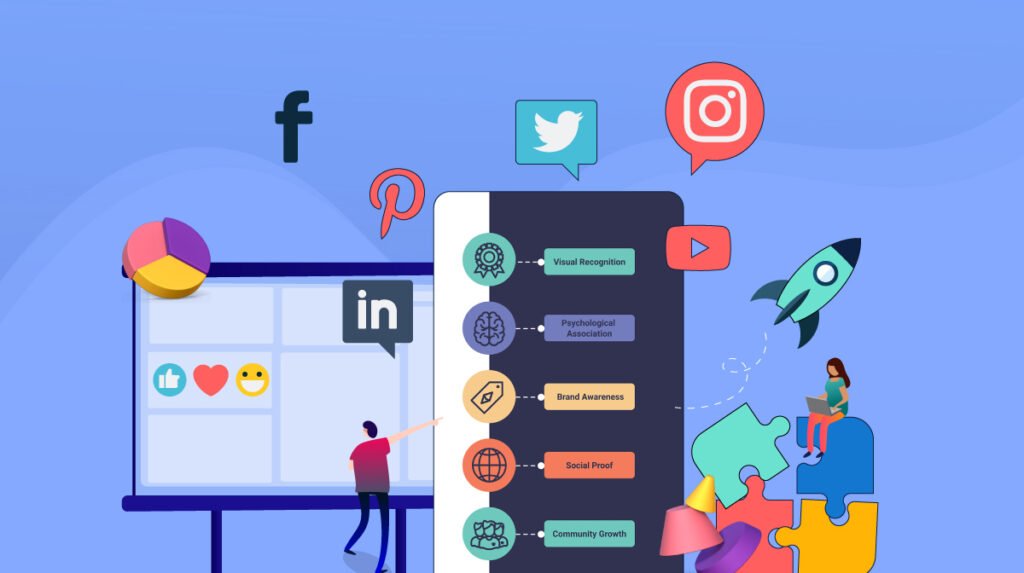
A strategic approach to social media marketing delivers unique benefits that other channels cannot replicate:
- Humanizes Your Brand: It puts a face and a personality to your business, building emotional connections and trust with your audience.
- Drives Targeted Traffic: Both organic posts and highly targeted paid ads can funnel a relevant audience directly to your website or landing pages.
- Provides Real-Time Customer Insights: Social media is a focus group that never sleeps. You can learn about customer pain points, feedback, and trends directly from the source.
- Boosts Brand Loyalty and Advocacy: An engaged community is a loyal one. They are more likely to become repeat customers and brand advocates who promote your business for you.
- Enhances Customer Service: It serves as a public channel for quick customer support, showing that you value and listen to your customers.
Common Misconceptions
- Misconception 1: “You have to be on every social platform.”
- Reality: This leads to burnout and diluted efforts. It’s far more effective to dominate one or two platforms where your ideal customers are than to have a mediocre presence on six.
- Misconception 2: “Social media is free marketing.”
- Reality: While creating an account is free, your time, content creation costs, and potential ad spend are significant investments. A successful strategy requires resource allocation.
- Misconception 3: “It’s all about selling.”
- Reality: The hard sell is a turn-off. Social media is about building relationships first. Provide so much value that when you do promote, your audience is already pre-sold.
Recent Developments
The social media world moves fast. Key trends for 2024 include:
- The Dominance of Short-Form Video: TikTok, Reels, and Shorts are the kings of engagement. A video-first strategy is no longer optional for most brands.
- The Rise of Social Commerce: The ability to discover and purchase products without leaving the social app is becoming seamless, turning social platforms into direct sales channels.
- Authenticity and “Raw” Content: Overly polished content is losing ground to authentic, behind-the-scenes, and user-generated content that feels more genuine and relatable.
- The Growth of Private Communities: Brands are creating exclusive groups (like Facebook Groups or LinkedIn Communities) to foster deeper connections with their most engaged followers.
- AI-Powered Content Creation and Analytics: AI tools are being used to generate post ideas, create captions, edit videos, and analyze campaign performance at scale.
Success Stories
Gymshark: This fitness apparel brand built a billion-dollar business primarily through social media. They pioneered the use of influencer marketing by partnering with fitness influencers (not just mega-celebrities, but micro-influencers) who authentically represented their brand. By building a powerful community around a shared passion for fitness, they created a loyal customer base that drove explosive growth, proving the power of community-centric marketing.
Conclusion & Key Takeaways
A successful social media marketing strategy in 2024 is less about virality and more about building a valuable, engaged community around your brand. It requires a shift from broadcasting to conversing, from selling to serving.
Key Takeaways:
- Strategy Over Spontaneity: A planned, goal-oriented approach will always outperform random posting.
- Community is Your Greatest Asset: Focus on building a two-way relationship with your followers. Engagement is a key metric.
- Quality and Consistency Trump Frequency: It’s better to post three high-quality, engaging pieces of content per week than seven mediocre ones.
- Video is Non-Negotiable: Incorporate short-form, native video into your strategy to meet your audience where they are.
- Data Drives Decisions: Let analytics guide your content strategy, not guesswork or gut feelings.
For more tools and templates to build your social media calendar, visit our Resources page.
FAQ’s
- Which social media platform is the best for marketing?
- The best platform is where your target audience spends their time. Conduct audience research to determine if it’s LinkedIn, Instagram, TikTok, Facebook, or X (Twitter).
- How often should I post on social media?
- There’s no magic number. Consistency is more important than frequency. Start with 3-5 times per week on your primary platform and adjust based on your analytics and capacity.
- What is the difference between reach and impressions?
- Reach is the number of unique users who saw your content. Impressions are the total number of times your content was displayed (including multiple views by the same user).
- How can I increase my organic reach?
- Create content that drives meaningful engagement (comments, shares, saves). Use native features (like Stories and Reels), encourage conversations, and post when your audience is most active.
- Is it worth investing in paid social ads?
- Absolutely. Paid social ads allow for hyper-targeting and can amplify your best content to a specific audience, driving leads and sales much faster than organic efforts alone.
- How do I handle negative comments on social media?
- Respond professionally and promptly. Address the concern, apologize if necessary, and try to move the conversation to a private channel. Never delete negative comments unless they are abusive, spam, or hate speech.
- What is a good engagement rate?
- It varies by platform and industry, but a rate of 1-3% is often considered a good benchmark. Focus on improving your own rate over time rather than comparing to others.
- How does social media fit into a larger business partnership strategy?
- A strong social presence can make you a more attractive partner. It demonstrates market validation and provides a platform to promote collaborative ventures, a key element in successful business partnerships.
- Can social media management impact mental health?
- Yes, the constant pressure to perform and the potential for negative feedback can be stressful. It’s crucial to set boundaries, take breaks, and prioritize wellbeing, as outlined in this guide to mental health.
- How do I get started if I’m a complete beginner?
- Pick ONE platform. Study brands you admire on that platform. Define one simple goal. Create a small content calendar for one month and start engaging. For a foundational understanding of digital marketing, our guide on digital marketing basics is an excellent starting point.
My spouse and I stumbled over here by a different web address and thought I should check things out.
I like what I see so now i’m following you. Look forward to looking into your
web page yet again.
What’s up i am kavin, its my first occasion to commenting anywhere, when i read
this piece of writing i thought i could also make comment due
to this sensible paragraph.
Hello it’s me, I am also visiting this site on a regular basis, this web site is actually fastidious and the visitors are truly sharing
good thoughts.