

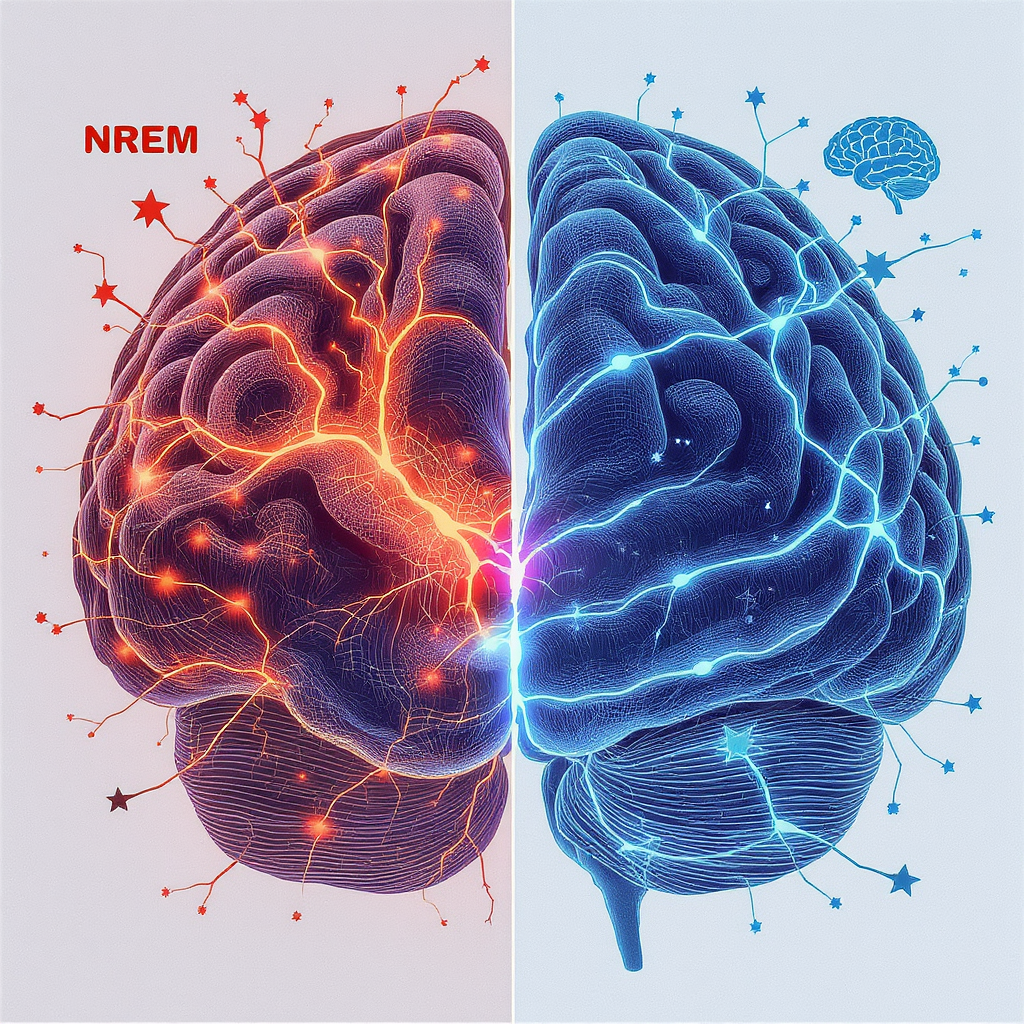

Introduction: The Nightly Therapy Session You’re Probably Missing
Imagine if there existed a free, universally accessible therapy that could dissolve the toxic proteins linked to Alzheimer’s, file away traumatic memories with emotional detachment, teach your brain complex motor skills without moving a muscle, and reset your anxiety levels to baseline—all while you lay unconscious. This isn’t science fiction; it’s the biological miracle of sleep architecture.
Yet, in our 24/7 culture, we’ve reduced sleep to a single metric: duration. “I got my 8 hours” is the modern badge of honor, but this tells us nothing about the quality or structure of that sleep. What if you slept for 9 hours but spent zero time in the restorative deep sleep stages? Or skipped the REM sleep crucial for emotional regulation? You’d wake feeling exhausted and emotionally fragile, despite “enough” time in bed.
In my experience working with high-performing entrepreneurs and trauma survivors alike, I’ve found that understanding sleep architecture—the cyclical pattern of sleep stages we move through each night—has been more transformative than any sleeping pill or meditation app. One client, a CEO who could “function” on 6 hours but suffered from chronic irritability and decision fatigue, discovered through tracking that he was getting almost no slow-wave sleep. When we restructured his pre-sleep routine and sleep environment to promote this stage, his emotional regulation and strategic thinking improved dramatically within two weeks. “It feels like my brain finally gets its oil change each night,” he reported.
This article will take you on a journey through your own sleep architecture. We’ll explore what happens in each precise stage of sleep, why each is non-negotiable for mental health, and how modern life systematically sabotages them. More importantly, we’ll provide a comprehensive, evidence-based blueprint for optimizing your sleep architecture—not just for better rest, but for genuine psychological resilience and cognitive longevity. For those building demanding careers, this isn’t a luxury; it’s foundational infrastructure. Consider this knowledge as critical as any business strategy you’ll find in our guide on How to Start an Online Business in 2026.
Background & Context: From Mysterious Oblivion to Neuroscience Revolution
For most of human history, sleep was considered a passive, near-death state—a mysterious blank period between days. The ancient Greeks believed sleep was a descent into the underworld. It wasn’t until the 1920s with the invention of the electroencephalogram (EEG), that we could measure brain waves and discover sleep was an active, structured process.
The groundbreaking work of Nathaniel Kleitman and Eugene Aserinsky in the 1950s at the University of Chicago identified Rapid Eye Movement (REM) sleep, revealing the phase associated with vivid dreaming. This discovery cracked open the field, leading to the standardized model of sleep architecture we use today: the cyclical progression through Non-REM (NREM) Stages 1, 2, 3, and REM sleep.
Fast forward to the 21st century, and we’re in the golden age of sleep neuroscience. The 2012 discovery of the brain’s glymphatic system by Maiken Nedergaard’s team was a Nobel-caliber breakthrough. This waste-clearance system, shown to be 10 times more active during deep NREM sleep, physically flushes out neurotoxic waste like beta-amyloid (linked to Alzheimer’s). Sleep was now understood as the brain’s essential maintenance window.
The mental health crisis of the last decade has brought urgent focus to this research. A 2024 meta-analysis in The Lancet Digital Health, reviewing data from over 100,000 wearable users, established a direct, dose-response relationship between disrupted sleep architecture—specifically, reduced slow-wave sleep and fragmented REM—and the later development of generalized anxiety disorder and major depression. The correlation was stronger than that for sleep duration alone.
We now understand that sleep architecture is as unique as a fingerprint, changing with age, stress, and lifestyle. Yet, it is under unprecedented attack from artificial light, constant connectivity, poor dietary habits, and societal pressure to “hustle.” Protecting and optimizing it is no longer about avoiding grogginess; it’s a fundamental pillar of preventative mental healthcare.
Key Concepts Defined
- Sleep Architecture: The cyclical pattern of sleep stages (N1, N2, N3, REM) that occurs in approximately 90-minute cycles throughout the night. It’s the structure of sleep, visually represented as a hypnogram.
- Non-REM Sleep (NREM): Comprising about 75-80% of adult sleep, it includes three stages of progressively deeper sleep, essential for physical restoration, memory consolidation, and brain detoxification.
- N1 (Stage 1): The lightest stage, the transition from wakefulness to sleep (5-10 minutes).
- N2 (Stage 2): Light sleep where heart rate slows and body temperature drops. Characterized by sleep spindles and K-complexes (brainwave patterns crucial for memory and sensory gating). Constitutes about 50% of total sleep.
- N3 (Stage 3/Slow-Wave Sleep/Deep Sleep): The most restorative stage. Dominated by slow, high-amplitude delta brainwaves. Critical for physical repair, immune function, and glymphatic system clearance.
- REM Sleep (Rapid Eye Movement): The stage associated with vivid dreaming, brain activity similar to wakefulness, and temporary muscle paralysis (atonia). Constitutes about 20-25% of sleep. It is the primary stage for emotional processing, memory integration, and creativity.
- Sleep Cycle: One complete progression through N1, N2, N3, and REM sleep. Lasts approximately 90-110 minutes in adults. We experience 4-6 cycles per night.
- Glymphatic System: The brain’s unique waste-clearance system, using cerebrospinal fluid to flush out metabolic toxins (like beta-amyloid and tau proteins) that accumulate during waking hours. Its activity peaks during slow-wave N3 sleep.
- Sleep Spindles: Brief bursts of oscillatory brain activity (11-16 Hz) generated in the thalamus during N2 sleep. They are critical for memory consolidation (transferring memories from short-term hippocampal storage to long-term cortical storage) and protecting sleep stability by “gating” external stimuli.
- Circadian Rhythm: The body’s roughly 24-hour internal clock, regulated by the suprachiasmatic nucleus (SCN) in the hypothalamus. It governs the timing of sleepiness and wakefulness, heavily influenced by light exposure.
- Sleep Homeostasis (Process S): The body’s internal pressure to sleep, driven by the buildup of adenosine and other somnogens in the brain during wakefulness. It interacts with the circadian rhythm (Process C) to determine sleep timing and intensity.
How It Works: A Night in the Life of Your Brain (The 90-Minute Cycle, Step-by-Step)
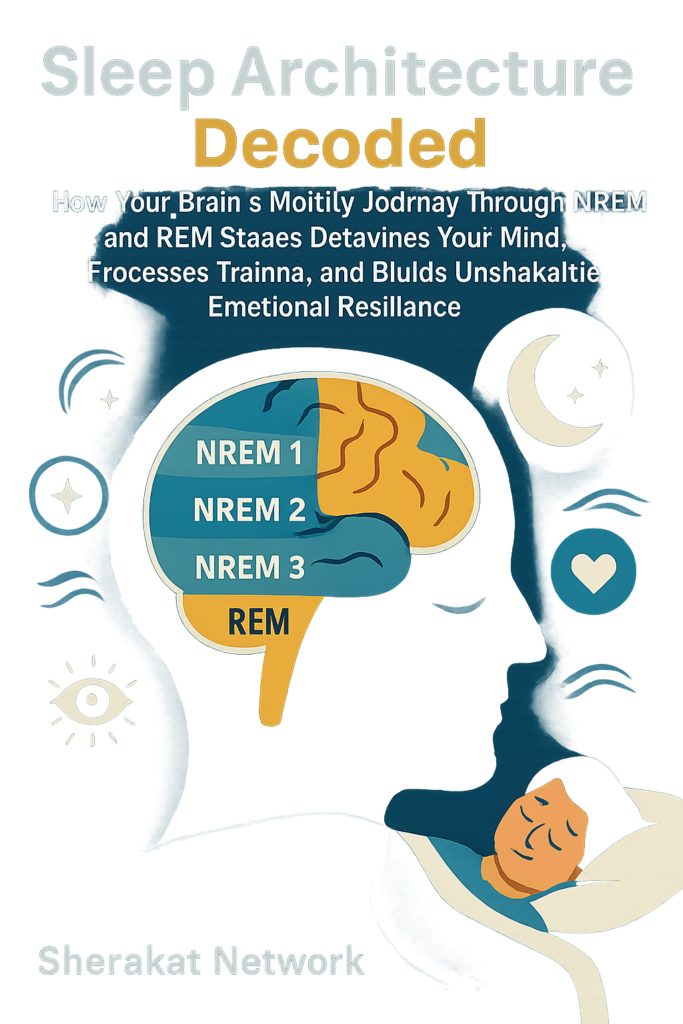
Let’s follow your brain on a typical, healthy night’s journey. This process repeats like a symphony in movements, each cycle deepening certain themes.
Cycle 1 (10:30 PM – 12:00 AM): The Physical Restoration Dive
- N1 (5-10 mins): You drift from alpha to theta brainwaves. Muscles relax, you may experience hypnic jerks. It’s a fragile state; a whisper can wake you.
- N2 (20 mins): Your brain begins producing sleep spindles—those crucial bursts that help solidify motor memories and procedural learning you engaged in that day (like learning a new software program discussed on our Blog). Your body disengages from the environment.
- N3 (Deep Sleep – 30-40 mins): This is the first and longest deep sleep period. Delta waves dominate. Growth hormone is released for tissue repair. The glymphatic system kicks into high gear, with cerebrospinal fluid flushing through brain tissue like a gentle power wash, removing the day’s metabolic debris. Your blood pressure drops, and your immune system activity peaks.
- REM (5-10 mins): A brief, inaugural REM period. Often dream-light. The brain begins its initial work of sorting emotional memories.
Cycle 2 (12:00 AM – 1:30 AM): Consolidation Deepens
- N2 (Longer): Spindle density increases, further cementing declarative memories (facts, figures, the plot of a book).
- N3 (20-30 mins): Another vital deep sleep period, slightly shorter than the first. Physical restoration continues.
- REM (10-15 mins): REM lengthens slightly. Emotional processing becomes more active.
Cycle 3 & 4 (1:30 AM – 4:30 AM): The Emotional Processing Shift
- N3 (Gets Progressively Shorter): Deep sleep periods shrink. By cycle 4, you may only have 10-15 minutes of N3 or none at all.
- N2 (Dominates): Becomes the primary NREM stage, rich with spindles.
- REM (Gets Progressively Longer – 20-30 mins by Cycle 4): This is where the critical emotional work happens. The brain’s emotional center (amygdala) and memory center (hippocampus) are highly active. The prefrontal cortex (logic center) is relatively offline. This unique neurochemical cocktail—high acetylcholine (for memory), low noradrenaline (stress chemical)—allows the brain to process and integrate emotional experiences from the previous day, stripping them of their sharp, visceral charge. Think of it as overnight therapy: revisiting a stressful event in a safe, neurochemical environment to reduce its future emotional impact.
Cycle 5 & 6 (Early Morning: 4:30 AM – 7:00 AM): The Creative Incubator
- N3 (Often Absent): Very little to no deep sleep.
- REM (Longest Periods – Up to 45-60 mins): The brain is in a hyper-associative, creative state. This is where novel connections are made, leading to insights and problem-solving—the “Eureka!” phenomenon upon waking. Dreams are most vivid and narrative-driven.
What disrupts this elegant architecture?
- Alcohol: Suppresses REM sleep early in the night, leading to a violent REM rebound later (causing vivid dreams/nightmares) and fragments deep sleep.
- Blue Light Exposure: Suppresses melatonin, delaying sleep onset and compressing the early, deep-sleep-rich cycles.
- Caffeine (after noon): Blocks adenosine receptors, reducing sleep pressure and making it harder to dive into deep N3 sleep.
- Stress/Anxiety: Elevates cortisol and noradrenaline, which fragments sleep, reduces spindle density, and prevents the quiescent state needed for glymphatic flow.
Why It’s Important: The Mental Health Consequences of Architectural Collapse
Damaging your sleep architecture isn’t like missing a single night’s sleep; it’s like deliberately removing steel beams from a building’s framework. The consequences are structural and systemic.
1. The Anxiety-Sleep Deprivation Vortex
Without sufficient deep N3 sleep, the amygdala (the brain’s fear center) becomes hyper-reactive. A 2025 Stanford study using fMRI showed that after just one night of selective deep sleep disruption, participants’ amygdala responses to negative stimuli were over 60% more intense than after a full night’s sleep, while connections to the prefrontal cortex (which regulates the amygdala) were weakened. This creates a neurobiological state primed for anxiety. Furthermore, fragmented REM sleep prevents the proper “desensitization” of emotional memories, leaving daily stressors feeling undigested and cumulative.
2. Depression and the Glymphatic Link
Chronic reduction in slow-wave sleep means the brain’s nightly cleaning cycle is impaired. Neuroinflammatory toxins like beta-amyloid and inflammatory cytokines accumulate. This low-grade neuroinflammation is now recognized as a key pathological driver of depression. The brain is literally bathing in its own toxic waste. Additionally, disrupted REM sleep affects the regulation of serotonin and norepinephrine systems—the very neurotransmitter pathways targeted by most antidepressants.
3. Trauma, PTSD, and Sleep Spindle Deficiency
Here is one of the most compelling connections. Individuals with PTSD consistently show a measurable deficit in sleep spindle density during N2 sleep. Spindles are thought to act as a “thalamic gate,” inhibiting sensory processing and allowing the cortex to rest and consolidate memories without interruption. With fewer spindles, the brain may fail to sufficiently “gate” traumatic memories during sleep, leading to intrusive flashbacks and hyperarousal. Furthermore, the impaired REM sleep in PTSD prevents the healthy integration and contextualization of traumatic memories, leaving them raw and disconnected.
4. Cognitive Decline and Alzheimer’s Risk
The glymphatic system’s primary clearance of beta-amyloid occurs during deep N3 sleep. Consistently poor sleep architecture, particularly from mid-life onward, is now considered a major modifiable risk factor for Alzheimer’s disease. It’s not just about plaques causing bad sleep; it’s a vicious cycle where bad sleep allows more plaques to accumulate, which then further degrades sleep.
5. Emotional Dysregulation and Relationship Strain
The prefrontal cortex, responsible for impulse control, empathy, and rational decision-making, is exquisitely sensitive to sleep deprivation. Without the full restoration of a proper sleep cycle, we become more emotionally volatile, less able to read social cues, and more prone to conflict. This can erode personal and professional relationships, including the crucial dynamics explored in The Alchemy of Alliance: A Guide to Successful Business Partnership.
In essence, each stage of sleep architecture serves a non-negotiable function. Compromising them doesn’t just make you tired; it alters your brain’s very structure, chemistry, and functional capacity, setting the stage for a spectrum of mental health disorders.
Sustainability in the Future: Building a Sleep-Conscious Society
Sustainable health is built on sustainable habits, and sleep is the bedrock. The future of mental wellness depends on elevating sleep architecture from a personal concern to a public health priority.
- Chronotype-Aware Workplaces: Forward-thinking companies will move beyond flexible hours to true chronotype accommodation. “Night owl” coders wouldn’t be penalized for 10 AM starts, and “early bird” analysts could capitalize on their morning peak. This alignment between internal biology and external demands optimizes performance and protects natural sleep architecture.
- Architecture & Urban Design: Cities of the future will prioritize dark-sky policies, limiting light pollution. Buildings will incorporate circadian lighting systems that mimic natural sunlight patterns, supporting rather than fighting our biology.
- Educational Reform: Sleep science will be taught alongside nutrition in schools. Teenagers, whose circadian rhythms shift dramatically, would start school later—a change proven to improve academic performance and mental health.
- Technology as a Solution, Not a Problem: The next generation of wearables won’t just track sleep; they will provide actionable insights into sleep architecture and integrate with smart home systems to optimize the sleep environment (dimming lights, lowering temperature) as you progress through cycles.
- Clinical Integration: “Sleep architecture profiles” will become a standard part of psychiatric and neurological assessments. Treatment plans for depression, anxiety, and PTSD will explicitly include sleep architecture optimization as a first-line intervention, not an afterthought.
This shift requires recognizing that the environment we’ve built is fundamentally at odds with our neurobiology. Re-alignment is not a luxury; it’s a prerequisite for a mentally resilient population. For insights into building other sustainable systems, explore our Resources section.
Common Misconceptions
- “The body gets used to less sleep.” A dangerous fallacy. While you may subjectively feel less sleepy, objective measures of cognitive performance, emotional regulation, and health biomarkers continue to deteriorate with chronic sleep restriction. The brain cannot “adapt” to a lack of deep N3 or REM sleep; it merely deteriorates.
- “Dreaming only happens in REM sleep.” While vivid, narrative dreams are most common in REM, dreams or dream-like mentation can occur in NREM sleep, especially in N2 and upon awakening from deep N3 (often as a disorienting image or thought, not a story).
- “Older people need less sleep.” Sleep duration may slightly decrease, but the need for sleep does not. What changes dramatically is sleep architecture: the ability to generate and maintain deep N3 sleep diminishes, sleep becomes more fragmented, and proportionally more time is spent in lighter N1/N2 stages. This often leads to the misconception of needing less sleep when the reality is an impaired ability to get the restorative sleep needed.
- “If I wake up at night, I’ve ruined my sleep.” Brief awakenings (arousals) are a normal part of the sleep cycle, often occurring at the end of a REM period. The problem is not waking, but failing to return to sleep quickly. Sleep continuity is as important as architecture. Lying awake for hours fragmented your cycles.
- “Sleep trackers (wearables) give clinically accurate sleep stage data.” Consumer devices (like Fitbit, Oura Ring) use movement and heart rate variability to estimate sleep stages. While excellent for tracking trends (e.g., your deep sleep decreased after starting a new medication), they are not as precise as a clinical polysomnogram (PSG) that measures brain waves (EEG). Trust the trends, not the absolute minute-by-minute accuracy.
Recent Developments (2024-2025)
- Personalized Sleep Audio Stimulation: Companies are developing headphones and systems that play subtle, precisely timed auditory pulses (pink noise) during sleep. A 2024 study in Cell Reports demonstrated that this stimulation, when synchronized to the slow oscillations of deep N3 sleep, could enhance slow-wave activity by over 40%, leading to better memory recall and subjective refreshment. This is a move from tracking to actively enhancing sleep architecture.
- The “Sleep Diet” Connection – Specific Macronutrients: Research is moving beyond “don’t eat late.” A 2025 review in Sleep Medicine Reviews identified that diets higher in complex carbohydrates and tryptophan (precursor to melatonin and serotonin) in the evening can promote sleep spindle density, while saturated fat intake close to bedtime was strongly correlated with reduced slow-wave sleep.
- AI-Powered Sleep Staging at Home: FDA-cleared, portable EEG headbands are now entering the consumer market. Using machine learning algorithms, they provide near-clinical-grade sleep staging data, allowing for highly personalized sleep coaching and earlier detection of disorders like sleep apnea, which catastrophically fragments sleep architecture.
- Targeted Pharmacotherapy: Instead of broad sedatives, new drugs in trials aim to selectively enhance specific sleep stages. For example, compounds that target orexin receptors more precisely can promote sleep initiation without suppressing REM or deep sleep, and others are being developed to specifically boost slow-wave sleep in the elderly.
- The Gut-Microbiome-Sleep Axis: Cutting-edge research is revealing that the diversity of your gut microbiome influences the production of sleep-regulating neurotransmitters (serotonin, GABA). Dysbiosis (imbalance) can disrupt sleep architecture. This connects to our previous discussion on holistic health; you can delve deeper into this connection via this external resource: Mental Health: The Complete Guide.
Success Stories & Real-Life Examples
Example 1: The Athletic Performance Breakthrough
The Seattle Seahawks, under coach Pete Carroll, famously instituted a “sleep hygiene” program in the early 2010s, but it has evolved. In 2024, they partnered with a sleep tech company to personalize recovery based on sleep architecture data from wearable devices. Rookies showing chronically low deep sleep scores were given individualized interventions: targeted nutritional supplements (magnesium threonate, apigenin), delayed morning film sessions to protect their last REM-rich cycles, and even customized cooling mattress pads. The team reported a 30% reduction in soft-tissue injuries and notable improvements in players’ emotional regulation and decision-making under pressure during games—a direct testament to restored prefrontal function from better sleep cycles.
Example 2: The Corporate “Sleep Leadership” Experiment
A German software firm, facing a burnout crisis, implemented a radical “Sleep-First” initiative. It wasn’t about nap pods. Leaders were trained on sleep architecture and were required to model behavior: no emails sent after 8 PM or before 7 AM (scheduled send), meetings banned before 9 AM to protect morning sleep inertia and late REM cycles, and “sleep reports” (from anonymized aggregate wearable data) were discussed alongside financial reports. Within a year, they saw a 22% increase in self-reported innovation (linked to protected REM sleep) and a 15% decrease in healthcare costs. They created a culture where protecting sleep structure was a sign of strategic intelligence, not laziness.
Example 3: Trauma Recovery and Spindle-Training
A university-based clinic specializing in PTSD began incorporating a novel intervention called “Auditory Spindle-Training.” Patients listened to specific auditory tones during the day, designed to entrain the brainwaves associated with sleep spindles. The goal was to strengthen the thalamocortical circuits responsible for generating spindles at night. Preliminary results from their 2025 pilot study showed that patients who underwent this training, alongside therapy, showed a significant increase in nocturnal spindle density, which correlated with a greater reduction in hyperarousal symptoms and nightmare frequency than therapy alone. This is a direct example of repairing sleep architecture to facilitate psychological healing.
Personal Anecdote: The Entrepreneur and the 4 AM Insight
A client, “Maya,” ran a successful e-commerce brand but was stuck on a complex supply chain problem that threatened her holiday season. She was sleeping a solid 7.5 hours but waking exhausted and creatively blocked. We analyzed her wearable data and saw almost no REM sleep in her final cycle—she was using a loud, jarring alarm that consistently aborted her last, longest REM period. We switched her to a gentle, sunrise-simulating light alarm and enforced a strict 30-minute no-screen buffer before bed. Within a week, she reported waking naturally just before her alarm, often with vivid dream recall. Then it happened: “I woke up at 4 AM last Tuesday with the complete solution to the logistics problem. It was so clear, like the pieces just assembled themselves.” She had protected her brain’s creative incubator—the late-night REM cycle, and it delivered. For entrepreneurs, this kind of cognitive clarity is invaluable; it’s the kind of strategic advantage discussed in resources like World Class Blogs on Remote Work & Productivity.
Conclusion and Key Takeaways
Sleep architecture is the hidden framework of our mental and cognitive health. It is a dynamic, active process where different brain regions take turns in the spotlight—some cleaning house, others filing memories, and others weaving the narrative of our emotional lives. To ignore its structure is to mistake a symphony for noise and then wonder why we feel out of tune.
In a world engineered for constant wakefulness, protecting your sleep architecture is a radical act of biological defiance. It requires going against the grain of late-night culture, the glow of screens, and the glorification of busyness. But the reward is nothing less than a more resilient, creative, emotionally stable, and cognitively sharp version of yourself.
This isn’t about perfection. It’s about progressive optimization. Start by protecting your wind-down ritual to ease the transition into deep sleep. Defend your sleep schedule to stabilize your cycles. Observe how alcohol, caffeine, and late meals alter your sleep quality. Your brain is performing essential, life-sustaining work from the moment you lose consciousness until you wake. Your job is simply to give it the safe, consistent, and well-designed workshop it needs to do its best work.
Final Key Takeaways:
- Sleep is structured in 90-minute cycles of NREM (N1, N2, N3) and REM sleep. Each stage serves a distinct, vital function.
- Deep N3 Sleep is for physical restoration and brain detoxification via the glymphatic system. Its loss hyper-activates the amygdala (anxiety) and increases neuroinflammation (depression risk).
- REM Sleep is for emotional processing and memory integration. Disrupting it leaves emotions raw and impairs creativity and problem-solving.
- Sleep Spindles in N2 sleep are crucial for memory consolidation and may act as a protective gate against trauma-related sleep disruptions.
- Optimizing sleep architecture requires a holistic approach: consistent timing, a dark/cool environment, mindful substance use, and managing light exposure. It is the most powerful, underutilized tool in your mental health toolkit.
Your brain’s nightly journey is its most important trip. Make sure it has a first-class ticket.
FAQs (Frequently Asked Questions)
Q1: What is the ideal percentage of time to spend in each sleep stage?
A: For healthy adults:
- N1: 5-10%
- N2: 50-60%
- N3 (Deep Sleep): 15-25% (higher when younger, decreases with age)
- REM: 20-25%
These are averages. Individual genetics, age, and activity levels cause variation. Focus less on perfect percentages and more on waking feeling restored and maintaining stable mood/cognition.
Q2: How does aging specifically change sleep architecture?
A: Aging leads to:
- Reduced Total Sleep Time and Sleep Efficiency (more time awake in bed).
- Dramatic Reduction in Slow-Wave N3 Sleep: By age 70, deep sleep may be reduced by 70-80% compared to young adulthood.
- Increased Fragmentation: More frequent awakenings, disrupting cycle continuity.
- Advanced Sleep Phase: Tendency to get sleepy earlier and wake earlier.
- Reduced Spindle Density & Amplitude: Affecting memory consolidation.
These changes are a normal part of aging but can be exacerbated by poor health and habits.
Q3: Can you “catch up” on lost deep sleep or REM sleep?
A: Partially, through a phenomenon called sleep rebound. After deprivation, the next time you sleep, your body will prioritize the stage it missed. After total sleep deprivation, you rebound with more deep N3 sleep first. After selective REM deprivation (like from alcohol), you’ll have a REM rebound with longer, more intense REM periods, sometimes causing vivid dreams or nightmares. However, chronic sleep debt leads to complex, non-linear deficits that can’t be fully “repaid” in a single weekend. Consistency is key.
Q4: What’s the single best thing I can do to improve my deep sleep?
A: Consolidate your sleep and time it right. Deep sleep is driven by sleep homeostasis (Process S)—the pressure that builds the longer you’re awake. To maximize it:
- Get 7-9 hours of sleep opportunity consistently.
- Have a consistent bedtime, as the first half of the night contains the longest deep sleep periods.
- Avoid alcohol and heavy meals 3 hours before bed, as they fragment early sleep cycles where deep sleep lives.
- Ensure your bedroom is cool (around 65°F or 18°C). Core body temperature needs to drop to initiate and maintain deep sleep.
Q5: Do naps help or hurt sleep architecture?
A: It depends on timing and duration.
- Helpful (The “Power Nap”): A short nap (10-20 minutes) early in the afternoon (before 3 PM) can boost alertness without entering deep sleep, so it doesn’t reduce homeostatic sleep pressure for the night.
- Harmful: Long naps (60+ minutes) or naps late in the day allow you to enter deep sleep, which reduces your sleep drive and can make it harder to fall asleep or reduce deep sleep intensity at night, fragmenting your sleep architecture.
Q6: How accurate are smartphone apps that claim to track sleep stages?
A: Generally poor for staging. They use accelerometers (movement) and sometimes microphone/sound analysis, which cannot detect brain waves. They can roughly distinguish “sleep” from “wake” based on lack of movement but cannot accurately differentiate between light, deep, and REM sleep. They often mislabel quiet wakefulness as light sleep.
Q7: What is “sleep drunkenness” or sleep inertia?
A: The groggy, disoriented feeling upon waking, especially from deep N3 sleep or a long nap. It occurs because parts of your brain (particularly the prefrontal cortex) wake up slower than others. It’s most severe when awakened from deep sleep. To minimize it: Use a gentle, gradual alarm (like sunrise light); avoid scheduling critical decisions immediately upon waking; and if you nap, keep it under 20 minutes to avoid deep sleep.
Q8: Can meditation or mindfulness improve sleep architecture?
A: Yes, significantly. Studies show that consistent mindfulness practice increases sleep spindle density and can enhance the quality of NREM sleep. It likely works by reducing pre-sleep cognitive arousal and anxiety (which blocks the transition to deep sleep) and by strengthening thalamocortical regulation, which governs spindle generation.
Q9: What role does the mattress/pillow play?
A: A critical supporting role. Discomfort from pressure points or poor spinal alignment causes micro-awakenings you may not remember. These fragment your sleep architecture, pulling you out of deep or REM sleep. The goal isn’t the “best” mattress, but one that supports neutral spine alignment for your sleeping position and minimizes toss-and-turn adjustments.
Q10: Is it true that some people are “short sleepers” genetically?
A: Yes, but it’s extremely rare (less than 1% of the population). These individuals have a verified genetic mutation (e.g., in the DEC2 gene) that allows them to function optimally on 4-6 hours of sleep without apparent health deficits. For the vast majority, claiming to be a “short sleeper” is a misconception, often masking high sleep debt and adaptability to impaired function.
Q11: How does exercise affect sleep stages?
A: Regular aerobic exercise is one of the most reliable ways to increase slow-wave N3 sleep duration and intensity. It enhances sleep homeostasis (adenosine buildup) and may promote glymphatic flow. However, intense exercise too close to bedtime (within 1-2 hours) can raise core body temperature and cortisol, delaying sleep onset. Finish vigorous workouts at least 3 hours before bed.
Q12: What is “REM sleep behavior disorder”?
A: A parasomnia where the muscle paralysis (atonia) normally present during REM sleep fails. Individuals physically act out their dreams, which can be violent. It is a serious condition requiring medical attention, as it can cause injury and is often an early indicator of neurodegenerative diseases like Parkinson’s.
Q13: How do antidepressants affect sleep architecture?
A: Most SSRIs and SNRIs profoundly suppress REM sleep, sometimes by 50-80%. This can initially reduce nightmare frequency in PTSD/depression but may impair long-term emotional processing. Some also fragment sleep. This is a trade-off managed in therapy. Mirtazapine and trazodone, in contrast, can promote deep N3 sleep. Always discuss sleep changes with your prescriber.
Q14: What is “sleep state misperception” or paradoxical insomnia?
A: A condition where individuals report severe insomnia but objective sleep studies (polysomnography) show normal sleep architecture and duration. The brain’s perception of wakefulness is distorted. This highlights that perception of sleep is as important as its physiology and often requires cognitive-behavioral therapy for insomnia (CBT-I).
Q15: Can diet directly induce certain sleep stages?
A: Emerging research says yes. For example:
- High-Glycemic Index Carbs 4 hours before bed may shorten sleep onset but can also increase awakenings later.
- Tart Cherry Juice (natural melatonin source) may increase sleep time and efficiency.
- Fatty Fish (rich in omega-3s and vitamin D) is associated with better sleep architecture in some studies.
- Heavy, High-Fat Meals before bed suppress deep sleep and increase awakenings.
Q16: How does sleep architecture differ between men and women?
A: Women, on average, spend slightly more time in slow-wave N3 sleep and fall asleep faster. Their sleep architecture is more sensitive to hormonal shifts across the menstrual cycle (progesterone promotes sleep; its drop before menstruation can disrupt it), during pregnancy (increased deep sleep in the first trimester, severe fragmentation later), and menopause (hot flashes fragment sleep, reducing deep sleep).
Q17: What is the connection between ADHD and sleep architecture?
A: Significant. Many with ADHD have Delayed Sleep Phase Syndrome (circadian rhythm shift) and show altered sleep architecture: reduced sleep spindle activity (affecting memory) and more restless NREM sleep. Treating underlying sleep issues often improves ADHD symptoms markedly. Stimulant medication can also disrupt sleep if timed poorly.
Q18: How does altitude affect sleep?
A: At high altitudes, the lower oxygen saturation leads to periodic breathing (Cheyne-Stokes respirations), causing frequent micro-awakenings that severely fragment sleep architecture, particularly reducing deep and REM sleep. This contributes to altitude sickness symptoms. Acclimatization improves it over days/weeks.
Q19: Are there any dangers to intentionally manipulating sleep stages (e.g., with audio stimulation)?
A: For most healthy people, gentle methods like pink noise are considered safe. However, the long-term effects of artificially enhancing specific stages are unknown. The brain’s sleep regulation is complex and homeostatic; pushing one stage might compress another. It’s best to focus on creating the optimal natural conditions for healthy sleep architecture to emerge, using tools as adjuncts, not crutches. For any health intervention, consulting a professional is wise; you can find starting points in our Resources.
Q20: What is the “first-night effect” in a sleep lab?
A: The phenomenon where a person’s sleep architecture during their first night in a sleep laboratory is significantly distorted—less deep sleep, more awakenings, longer sleep latency—due to the novel, monitored environment. It’s why clinical sleep studies often require two nights, with the second night’s data used for diagnosis.
Q21: Can you learn in your sleep?
A: Not in the way pop culture suggests (playing language tapes). However, sleep-dependent memory consolidation is a powerful form of learning. Skills or facts practiced before sleep are strengthened during N2 (sleep spindles) and possibly replayed during N3 and REM. The structure of sleep transforms fragile memories into stable knowledge.
Q22: How does screen blue light specifically damage sleep architecture?
A: Blue light (480nm wavelength) is detected by melanopsin receptors in the eye, sending a direct signal to the SCN to suppress melatonin production. Melatonin not only makes you sleepy but also helps lower core body temperature—a prerequisite for deep sleep. Suppressing it delays sleep onset, compresses the early sleep cycles (where deep sleep is concentrated), and can reduce overall REM sleep by pushing your entire sleep architecture later.
Q23: What is “exploding head syndrome”?
A: A benign but startling parasomnia occurring during the transition into or out of sleep (often N1 or waking from NREM). The individual experiences a loud imagined noise (e.g., a bang, explosion, or crash) in their head. It’s linked to minor brainstem glitches during sleep-wake transitions and is not dangerous, though it can cause anxiety about sleep.
Q24: How do different sleeping positions affect sleep quality?
A:
- Back Sleeping (Supine): Best for spinal alignment, may reduce wrinkles, but can worsen snoring/sleep apnea (which catastrophically fragments architecture).
- Side Sleeping (Lateral): Reduces sleep apnea and snoring, may improve glymphatic clearance (recent animal studies suggest lateral position is optimal for waste removal). The left side may help with acid reflux.
- Stomach Sleeping (Prone): Worst for neck/spine alignment, often leads to more restlessness and micro-awakenings.
The best position is the one that allows you to sleep with minimal movement and awakenings.
Q25: What is “microsleep” and what causes it?
A: Episodes of sleep lasting 1-30 seconds, where the brain involuntarily enters a sleep state (usually N1), often with slow-rolling eyes. The person may appear awake but is processing no information. It’s a dangerous sign of severe sleep deprivation or a sleep disorder, indicating your brain’s sleep homeostasis is so strong it overrides wakefulness. It’s common in untreated sleep apnea and narcolepsy.
Q26: Is there an ideal time to wake up within the sleep cycle?
A: Waking at the end of a cycle, during light N1 or N2 sleep, results in less sleep inertia than waking from deep N3 or REM. Since cycles are ~90 minutes, if you need to wake at 7 AM, aiming to fall asleep around 11:30 PM or 1 AM would line you up to wake near a cycle end. Apps that use movement/sound to wake you in a “light sleep” window attempt this but have limited accuracy.
Q27: How does sleep architecture change with shift work?
A: Shift work, especially rotating shifts, devastates sleep architecture. It misaligns circadian rhythm and sleep homeostasis. Day sleep after a night shift is shorter, lighter (less deep N3 sleep), and more fragmented. Long-term, this leads to a profile resembling severe sleep deprivation and dramatically increases risks for mental health disorders, cardiovascular disease, and metabolic syndrome.
Q28: Can certain smells enhance sleep stages?
A: Olfaction has a direct pathway to the limbic system (emotion/memory). While research is early, some studies suggest:
- Lavender: May increase slow-wave sleep and improve sleep quality.
- Pepermint: Can increase alertness if needed upon waking.
The mechanism may involve calming the nervous system, facilitating the transition into deeper sleep stages.
Q29: What is the connection between sleep and the immune system?
A: Deep N3 sleep is when the immune system releases cytokines (proteins that fight infection and inflammation). Sleep deprivation reduces cytokine production and the activity of T-cells and natural killer cells. Just one night of poor sleep can reduce immune efficiency. This is why you often feel sick when exhausted—your body’s defenses are down.
Q30: Where can I get professional help for suspected sleep architecture problems?
A: Start with your primary care physician. They can refer you to a sleep specialist (often a neurologist, pulmonologist, or psychiatrist with additional certification). A clinical polysomnogram (sleep study) is the gold standard for assessing sleep architecture and diagnosing disorders like sleep apnea, narcolepsy, or periodic limb movement disorder. For a broader understanding of health systems, you might explore World Class Blogs: Culture & Society. If you’re ready to take the next step, don’t hesitate to contact us for guidance on finding relevant resources.
About the Author
Sana Ullah Kakar is a certified sleep science coach and behavioral health researcher with over 15 years of experience at the intersection of neuroscience and practical wellness. They have collaborated with sleep labs at major research institutions and consulted for Fortune 500 companies on implementing sleep-healthy workplace policies. Their work is driven by the conviction that understanding sleep architecture is the missing key to unlocking human potential and building psychological resilience in an overstimulated world. They are a frequent speaker on the future of sleep technology and its implications for mental health.
Free Resources
- The Sleep Architecture Optimizer Checklist: A comprehensive PDF covering environment, routine, diet, and daytime habits to promote each sleep stage.
- Sample Sleep Diary & Hypnogram Tracker: A printable template to track subjective sleep quality and (if using a wearable) log your stage data to identify patterns.
- “Wind-Down” Audio Guide: A 20-minute audio file combining progressive muscle relaxation and breathing exercises designed to increase sleep spindle likelihood and ease the transition into deep sleep.
- Shift Worker’s Sleep Survival Guide: Evidence-based strategies for those with non-traditional schedules to protect as much sleep architecture as possible.
- Children & Teen Sleep Architecture Guide: For parents, explaining how sleep stages develop and change from infancy through adolescence, with age-appropriate optimization tips.
Discussion
Your Turn:
What’s your biggest sleep architecture challenge? Are you a victim of the “groggy morning” even after 8 hours in bed? Have you noticed a link between your dream recall (or lack thereof) and your daytime mood?
Share your experiences, questions, or your own tips for protecting deep and REM sleep in the comments below. Let’s build a community committed to reclaiming the night for our mental well-being.
Continue Your Learning on Sherakat Network:
- For insights on managing the stress that often disrupts sleep, explore our piece on Business Partnership Models and the importance of balanced collaboration.
- Dive deeper into holistic success strategies in our comprehensive Blog.
Have you ever considered publishing an ebook or guest authoring on other sites?
I have a blog based on the same topics you discuss and would really
like to have you share some stories/information. I know my subscribers would appreciate your work.
If you’re even remotely interested, feel free to shoot me an e-mail.
We are a group of volunteers and opening a new scheme in our community.
Your site offered us with useful information to work
on. You’ve done a formidable job and our entire neighborhood might
be grateful to you.
Woah! I’m really enjoying the template/theme of this blog.
It’s simple, yet effective. A lot of times it’s challenging to
get that “perfect balance” between usability and visual appeal.
I must say you’ve done a great job with this. Also, the blog loads extremely quick for me on Safari.
Excellent Blog!
Keep this going please, great job!
Hello it’s me, I am also visiting this site daily, this web page is actually good and the people are truly sharing
good thoughts.
Really great read — I appreciate how clearly you explained the importance of local online presence for businesses today. It’s a topic many companies overlook, i find it very interesting and very important topic. can i ask you a question? also we are recently checking out this newbies in the webdesign industry., you can take a look . waiting to ask my question if allowed. Thank you
Someone necessarily help to make critically posts I would state.
This is the very first time I frequented your web page and to this point?
I amazed with the research you made to create this particular post incredible.
Magnificent job!
The other day, while I was at work, my cousin stole
my iPad and tested to see if it can survive a 25 foot drop,
just so she can be a youtube sensation. My apple ipad is now destroyed and she has 83 views.
I know this is entirely off topic but I had to share it with someone!
Hi, its fastidious paragraph on the topic of media print,
we all be aware of media is a impressive source of facts.
Keep on working, great job!
Can I just say what a comfort to discover someone who genuinely understands what they’re talking about on the web.
You definitely realize how to bring an issue to light and make it important.
A lot more people have to check this out and understand
this side of your story. I can’t believe you aren’t more popular since you definitely have the gift.
It’s genuinely very complicated in this active life to listen news
on TV, thus I simply use internet for that purpose, and take the newest information.
I got this site from my pal who shared with me on the topic of this
site and now this time I am browsing this website and reading very informative articles or reviews at this place.
Hi there, i read your blog occasionally and
i own a similar one and i was just curious if you get a lot of spam feedback?
If so how do you reduce it, any plugin or anything you can advise?
I get so much lately it’s driving me insane so any assistance is very much appreciated.
This blog was… how do I say it? Relevant!! Finally I have found something that helped me.
Cheers!
We are a group of volunteers and starting a new scheme in our community.
Your web site provided us with valuable information to work on. You’ve done a formidable job and our whole community will be grateful to you.
Hi, I do think this is an excellent blog.
I stumbledupon it 😉 I’m going to come back yet again since i have book-marked it.
Money and freedom is the best way to change, may you be rich and continue to help others.
I seriously love your site.. Very nice colors & theme.
Did you make this website yourself? Please reply back as
I’m planning to create my own personal site and would like to learn where you got this from or just what the theme is called.
Kudos!
Hola! I’ve been reading your web site for a while now and finally got the courage to go ahead and give you
a shout out from Dallas Texas! Just wanted to mention keep up the great work!
Excellent post. I was checking continuously this blog and I am
impressed! Very useful information particularly the
last part 🙂 I care for such info much. I was looking for this particular information for a very long time.
Thank you and good luck.
excellent points altogether, you simply gained a brand new reader.
What may you recommend in regards to your put up that
you simply made a few days in the past? Any certain?
Fantastic website. Lots of helpful information here. I’m
sending it to some friends ans additionally sharing in delicious.
And of course, thank you for your effort!
Hi there! I could have sworn I’ve been to this site before but after browsing through many of the posts I realized it’s new to me.
Anyways, I’m certainly delighted I found
it and I’ll be book-marking it and checking back regularly!
Hey there, I think your blog might be having browser compatibility issues.
When I look at your blog site in Safari, it looks fine but when opening in Internet Explorer, it has some overlapping.
I just wanted to give you a quick heads up! Other then that, terrific
blog!
stands out.
Hello! I just would like to give you a big thumbs up for the great information you
have right here on this post. I am coming back to your web
site for more soon.
You really make it seem so easy with your presentation but I find this topic to be really something which I think I would never
understand. It seems too complicated and extremely broad
for me. I am looking forward for your next post, I’ll try to get the hang of it!
Good post. I absolutely love this site. Keep writing!
It’s very easy to find out any matter on net as compared to textbooks, as I
found this paragraph at this web site.