


Introduction: The Loneliness of the Algorithm and the Longing for Belonging
Let’s be honest for a moment. Social media, for all its connectivity, can feel profoundly lonely—for users and brands alike. Users scroll through endless, algorithmically-curated feeds, often feeling more like targeted consumers than valued individuals. Brands, in turn, shout into the void, chasing vanity metrics and algorithm updates, wondering why their “engagement” feels so hollow and transactional. This dynamic is exhausting and unsustainable.
But there is a powerful antidote, a strategy that transcends the ephemeral “like” and builds something of lasting value: the Brand Community. This is not merely an audience you broadcast to; it is a dedicated, interactive space where your customers connect with each other around a shared passion for what your brand represents. It’s where loyalty is forged, feedback is priceless, and marketing becomes a shared conversation. In an age of digital noise, a thriving community is a beacon of authentic human connection. This comprehensive guide isn’t about quick hacks; it’s a deep, human-centric blueprint for building a digital “third place” that fuels sustainable business growth, protects your mental wellbeing as a creator, and complies fully with platform and monetization policies. For a foundational look at building strong partnerships—a similar relational skill—see our guide on The Alchemy of Alliance.
Background/Context: From Town Squares to Digital Hubs
The concept of community is ancient. Humans have always gathered around shared interests, needs, and identities—around campfires, in town squares, and through clubs. Modern marketing, however, for decades operated on a one-to-many broadcast model (TV, radio, print). The internet began to change this, with early forums and message boards. Social media promised the next evolution but initially replicated the broadcast model digitally.
The rise of Facebook Groups, subreddits, and dedicated Discord servers signaled a profound shift back to the many-to-many model. Platforms finally provided the tools to facilitate genuine interaction between members, not just from page to user. Simultaneously, consumer behavior evolved. People, especially younger demographics, no longer want to just buy a product; they want to buy into an identity, a set of values, a tribe. They seek validation, knowledge, and friendship from others who share their niche interests. A brand that can successfully host that tribe moves from being a vendor to a beloved pillar of their customers’ lives. This is the fertile ground where true brand communities grow.
Key Concepts Defined: Understanding the Community Lexicon
- Brand Community: A dedicated social space where customers, fans, and the brand itself interact around a shared identity, creating value for all members through support, content, and advocacy.
- Audience vs. Community: An audience listens (followers, subscribers). A community participates, contributes, and owns the space. An audience is a metric; a community is an asset.
- Community Management: The active, daily practice of guiding discussions, enforcing rules, sparking engagement, and nurturing relationships within the community. It’s hospitality, not policing.
- User-Generated Content (UGC): Any content—photos, videos, reviews, testimonials—created by community members about the brand. It is the lifeblood and social proof of a healthy community.
- Brand Advocate/Ambassador: A highly satisfied community member who voluntarily and enthusiastically promotes the brand to their own network, driven by genuine affinity.
- The “Third Place”: A sociological term for a social surroundings separate from the two usual social environments of home (“first place”) and work (“second place”). A vibrant online community can serve as a digital third place.
- Lurkers: Members who observe but do not actively post or comment. They are a normal and significant part of any community, still deriving value.
- Community Guidelines: A clear, published set of rules that establish the norms, values, and boundaries of the community to ensure a safe and productive environment for all.
The Anatomy of a Thriving Community: How It Works, Step-by-Step
Building a community is a marathon, not a sprint. It requires strategic patience and a servant-leadership mindset. Here is your phased blueprint.
Phase 1: Foundation & Strategy (Months 1-2)
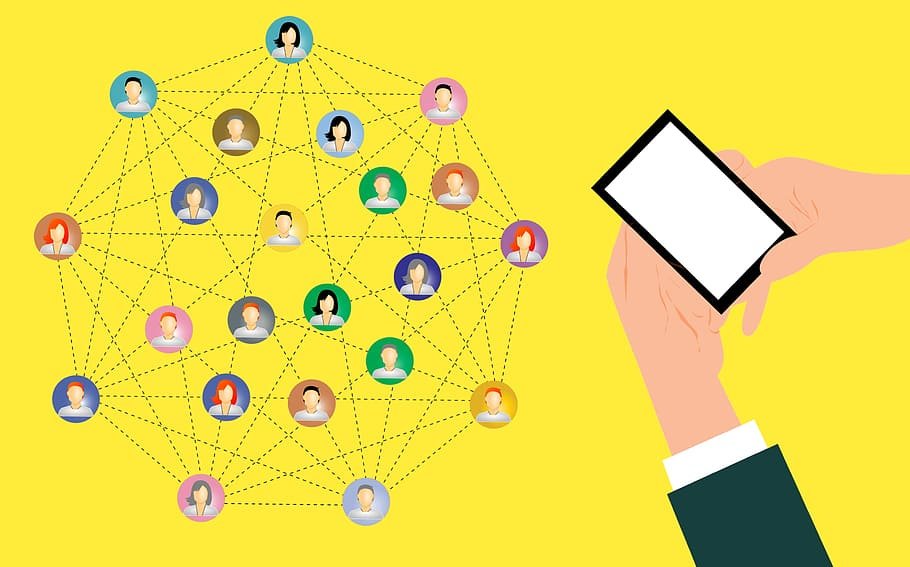
This is where most fail by rushing. Do not skip this.
Step 1: Define Your “Why” & Core Value Proposition
Ask brutally honest questions: Why should a community exist around my brand? Is it for peer-to-peer support? Exclusive education? Early access and co-creation? Your answer must provide clear, unique value to the member, not just to your brand. For example, a knitting brand’s community value is “A supportive space for knitters of all levels to share projects, troubleshoot problems, and find inspiration.”
Step 2: Choose Your Digital Home
- Facebook Groups: Excellent for broad demographics, support-focused communities, and built-in discoverability. Strong event and poll features.
- LinkedIn Groups: Ideal for B2B, professional networking, industry discussion, and B2B SaaS support.
- Discord/Slack: Perfect for real-time chat, niche interests (gaming, tech, crypto), and highly engaged, smaller communities. Steeper learning curve.
- Branded App/Forum: Maximum control and data ownership, but high cost and requires driving all traffic. Best for large, established brands.
- Recommendation: Start where your existing audience already is. A Facebook Group is often the most accessible starting point.
Step 3: Craft Foundational Documents
- Community Purpose/Mission Statement: A single, pinned post that declares, “This is who we are and what we do here.”
- Detailed Community Guidelines: Outline acceptable behavior, posting rules, and consequences for violations. Promote positivity and respect. This is critical for AdSense compliance, ensuring a safe environment free from hate speech, harassment, and misinformation.
- Onboarding Process: Plan how you will welcome new members. An automated welcome post or a dedicated “introductions” thread can work wonders.
- https://via.placeholder.com/800×500/3A506B/FFFFFF?text=Community+Member+Lifecycle+Journey
- Image Caption: Figure 2: The Community Member Journey – from passive visitor to active advocate.
- Image Alt Text: A flowchart diagram showing the stages of a community member: Visitor, New Member, Active Contributor, Leader, and Brand Advocate.
- Image Description: This visual details the emotional and behavioral journey of an individual within a brand community. It maps the path from initial discovery (“Visitor”) through integration (“New Member”), to regular participation (“Active Contributor”), eventual mentorship of others (“Leader”), and ultimately becoming a voluntary promoter (“Brand Advocate”).
Phase 2: Launch & Initial Growth (Months 2-6)
Step 4: Seed the Community
Invite your most engaged followers, email subscribers, and best customers first. Personally message them: “We’re starting something special and wanted you in from the beginning.” A small, engaged founding group is better than a large, silent one.
Step 5: Lead by Example & Establish Rituals
As the founder, you must be the most active member initially.
- Post Consistently: Share valuable content, ask open-ended questions, share behind-the-scenes glimpses.
- Create Rituals: “Tip Tuesday,” “Feature Friday” (showcasing a member’s work), “Weekly Q&A.” Rituals create predictability and habit.
- Respond to EVERYTHING: Acknowledge every comment and post in the early days. Make people feel heard.
Step 6: Promote Strategically
- Mention the community in your email newsletter.
- Use Instagram Stories’ “Join Chat” sticker or link in bio.
- Create content about the community’s best discussions (with permission) to attract like-minded people. Find more promotion strategies in our Resources section.
Phase 3: Nurture & Empower (Ongoing)
Step 7: Identify and Empower Leaders
Spot your most helpful, positive members. Ask them to be moderators or “community champions.” Feature them, give them small perks (early access, swag). This distributes the workload and deepens their investment.
Step 8: Facilitate, Don’t Dominate
The goal is for members to talk to each other, not just to you. When a question is asked, tag another knowledgeable member to answer. Step back and let conversations flow organically. Your role shifts from host to curator and facilitator.
Step 9: Listen and Co-Create
Use the community as your primary focus group. Poll them on new product features, ask for feedback on designs, involve them in the creative process. This turns customers into collaborators.
Why a Brand Community is Your Most Important Business Asset

The investment in community building yields a staggering ROI that goes far beyond direct sales:
- Unbreakable Customer Loyalty & Reduced Churn: People don’t leave communities they feel a part of. A support ticket resolved publicly helps 10 others. This loyalty directly defends against competitors.
- Sustainable, Algorithm-Proof Growth: A community creates its own content (UGC) and engagement. This activity sends powerful positive signals to social algorithms, increasing the organic reach of your entire brand. It’s a virtuous cycle.
- Priceless Market Research & Innovation: Your community is a real-time focus group. Their pain points, ideas, and discussions are a roadmap for product development and content creation. You innovate with confidence.
- Authentic, Scalable Social Proof & Content: UGC from real community members is marketing gold. It’s more trusted than any ad. You can repurpose this content (with credit!) across all channels, building a library of authentic testimonials.
- Humanized Brand & Trust Building: In an age of corporate facelessness, a community shows the people, stories, and values behind your logo. It builds trust at a profound level.
- A Support System That Scales: Peer-to-peer support in a community means customers help each other, dramatically reducing the burden on your official customer service team.
- Direct Monetization Pathway: A trusted community is primed for ethical monetization through exclusive offers, paid memberships for premium content/access, or early product launches. They are your most receptive audience.
Common Misconceptions and Pitfalls to Avoid
- “If we build it, they will come.” A community is not a feature; it’s a commitment. You must consistently nurture it. An empty, silent group is worse than having none.
- “It’s just another marketing channel for promotions.” Bombarding your community with sales pitches is a surefire way to kill it. Follow the 90/10 rule: 90% value, interaction, and support; 10% promotion.
- “We don’t have the resources for a community manager.” Then don’t start one yet. An unmanaged community can become toxic or dormant, damaging your brand. Start small—even 30 minutes a day of focused engagement is enough to begin.
- “Negative feedback in the community is a crisis.” It’s an opportunity. Addressing criticism transparently and professionally within the community builds immense trust. It shows you listen and care.
- “Our product isn’t ‘sexy’ enough for a community.” Niche passions build the strongest communities. There are thriving communities for accountants, data center engineers, and lawn care enthusiasts. Passion, not product category, is the key.
Recent Developments: The Rise of the “Owned” Community and Mental Wellbeing
- The Platform Risk: Relying solely on a Facebook Group ties your community’s fate to Meta’s policies and algorithm changes. Savvy brands are using platforms like Circle.so or Mighty Networks to build “owned” communities they fully control, often linking them to paid membership models.
- Community as a Retention Tool: SaaS companies are embedding communities directly into their products (via tools like Insided or Salesforce Community Cloud) to reduce churn and increase product mastery.
- Audio & Live Video Integration: Communities are increasingly using weekly Twitter Spaces, Instagram Live sessions, or Zoom calls within the community to deepen connections with real-time voice and video.
- Focus on Psychological Safety: Leading community builders are explicitly designing for mental wellbeing, creating clear codes of conduct against harassment and promoting inclusive language. This aligns with broader societal attention to Psychological Wellbeing in the Modern World.
- Monetization Maturity: From simple affiliate links to tiered subscription models (free basic group + paid “inner circle”), the tools and acceptance of community-as-a-business-model have matured significantly.
Success Stories: Communities in Action
Story 1: The Outdoor Apparel Brand
Patagonia’s environmental activism isn’t just marketing; it’s the core of its community. They use their platforms and funded groups to mobilize their customers for environmental causes. The community isn’t about the jacket you bought; it’s about the planet you want to save. This deep, value-based alignment creates fanatical loyalty where the product becomes a badge of membership in the cause. Their “Action Works” platform connects users with local environmental grassroots groups, turning customers into activists.
Story 2: The Software Company (A Sherakat Network Case Study)
Imagine a B2B software company selling project management tools. They started a “LinkedIn Group for Agency Leaders.” The rules were strict: no direct promotion, only discussions about agency growth, client management, and operational efficiency.
- What they did: The CEO hosted monthly “Ask Me Anything” live audio sessions. They shared exclusive templates and frameworks. They highlighted member success stories.
- The result: The group grew to 10,000+ qualified agency owners. Churn for customers in the group dropped by 40%. Product feedback from the group led to two key features that became major selling points. Over 30% of new enterprise sales came from referrals or direct inquiries from group members. This is the power of a strategic alliance built at scale, as detailed in our piece on Business Partnership Models.
Story 3: The Solo Entrepreneur (Health Coach)
A certified nutritionist started a free Facebook Group, “Mindful Eating for Busy Professionals,” as her primary lead magnet. She posted daily tips, weekly live cooking demos, and facilitated supportive discussions.
- How it monetized: She offered a monthly paid “Mastermind” subgroup for deeper coaching. Her signature online course was launched exclusively to the community first, resulting in 50% of its sales. The community provided endless testimonials and success stories for her marketing.
- The human element: She shared her own struggles, creating immense relatability. The group became a source of mutual support, reducing the isolation she felt as a solo entrepreneur.
Conclusion & Key Takeaways: Your Invitation to Build Something Real

In a digital landscape obsessed with scale and automation, the humble act of building a community is a revolutionary return to human-scale business. It is an acknowledgment that people crave connection, not just consumption.
- Takeaway 1: Start with “Why them?” not “Why us?”. Your community’s value proposition must be member-centric.
- Takeaway 2: Choose your platform wisely based on where your people are and what kind of interaction you want to foster. Start simple.
- Takeaway 3: Be the chief host. Your energy, consistency, and vulnerability in the early days set the entire culture.
- Takeaway 4: Empower your members to lead. Your goal is to make yourself gradually less essential as member-to-member bonds strengthen.
- Takeaway 5: Measure success beyond numbers. Look at the quality of discussions, the reduction in support tickets, the stories shared, and the friendships formed. The revenue will follow as a natural outcome of this genuine value creation.
Building a community is the ultimate act of faith in your customers and your brand’s deeper purpose. It is hard work, often messy, and deeply human. But in an automated world, that humanity is your greatest competitive advantage. Ready to start building deeper connections? Begin the conversation in our own Sherakat Network Blog community space.
Frequently Asked Questions (FAQ)
Q1: How big does my existing audience need to be to start a community?
A: You can start with as few as 50 truly engaged people—email subscribers, repeat customers, or social media followers who always comment. A small, active core is infinitely more valuable than a large, passive list.
Q2: Should my community be open, closed (request to join), or secret?
A: Closed is typically best. It creates a sense of exclusivity and allows you to screen members to keep out spammers and trolls, ensuring a higher-quality environment from the start.
Q3: How do I handle conflict or a toxic member in my community?
A: Refer to your published Community Guidelines. Address issues privately first via direct message, politely but firmly reminding them of the rules. If the behavior continues, remove them from the group. Protecting the community’s culture is your primary responsibility.
Q4: We’re a B2B company. Does this really work for us?
A: It works spectacularly for B2B. LinkedIn Groups dedicated to specific professional challenges (e.g., “CFOs of Scaling Startups,” “HR Tech Innovators”) are incredibly powerful for lead generation, partnership building, and establishing thought leadership.
Q5: How can I encourage more user-generated content (UGC)?
A: Create specific, fun campaigns. Run a photo contest with a branded hashtag. Ask for “before and after” stories. Feature the best UGC prominently in the group and on your main social channels (always with permission and credit). Make it rewarding.
Q6: Is it okay to use automated posting tools in my community?
A: Use them sparingly for scheduled announcements or weekly ritual posts (e.g., “Welcome Wednesday” intro thread). But the majority of your interaction must be genuine, real-time human engagement. Automation cannot build relationships.
Q7: How do I transition from a free community to offering a paid tier?
A: First, deliver immense value for free. Then, identify a deeper need within your community—more personalized access, advanced training, mastermind sessions. Offer the paid tier as a natural “next step” for your most dedicated members, ensuring the free tier remains valuable.
Q8: What are the biggest AdSense compliance concerns for a community?
A: You must actively moderate to prevent: hate speech, harassment, misinformation (especially medical/financial), copyright infringement, and spam. Have clear reporting mechanisms and enforce your guidelines consistently to maintain a safe space for all members and protect your site’s ad eligibility.
Q9: How does community building integrate with a global business strategy?
A: A global community can provide localized insights and foster cross-border peer support. However, consider language, cultural norms, and time zones. You may need regional sub-groups or moderators from different time zones, similar to managing a Global Supply Chain.
Q10: I’m an introvert. Can I still build a successful community?
A: Absolutely. Your strengths—listening, deep thinking, creating thoughtful written content—are huge assets. You can build rituals that don’t require you to be “on camera” constantly, like hosting AMA (Ask Me Anything) threads or creating detailed guide posts. Empower extroverted members to lead live sessions.
Q11: How much time will this realistically take me per week?
A: In the launch phase (first 3-6 months), plan for 1-2 hours per day (7-14 hours/week) for content creation, engagement, and management. As the community becomes more self-sustaining, you can scale back to 30-60 minutes per day for facilitation and moderation, with more time spent on strategy.
Q12: Where can I learn more about the technical setup for different community platforms?
A: Our Start Online Business Guide covers foundational digital tools. For platform-specific guides, visit the help centers of Facebook (Groups), Circle.so, Discord, or Mighty Networks, which offer extensive tutorials.
Q13: How do I promote my community without being spammy?
A: Talk about the benefits and conversations happening inside, not just the group itself. “We had an amazing discussion in our community this week about X. Here’s one insight…” This attracts people who want to be part of that dialogue. Use the Contact Us page for direct inquiries about partnerships that could involve community cross-promotion.
Q14: What’s one simple ritual I can start tomorrow?
A: Create a weekly “Win Wednesday” thread where members share a small professional or personal victory from their week. It’s positive, inclusive, easy to participate in, and builds a culture of celebration and support.
Excellent post. I was checking continuously this blog and I’m impressed!
Very helpful information specifically the last part
🙂 I care for such info a lot. I was looking for this particular info for a very long time.
Thank you and good luck.